
Community Tips
The best migraine tips on the internet
Quiet ones, outrageous ones — gathered from social media, the internet and you. Each one explained, voted on, and paired with what the research says.
Find your next little discovery
When
How
31 tips to explore
Share a tip
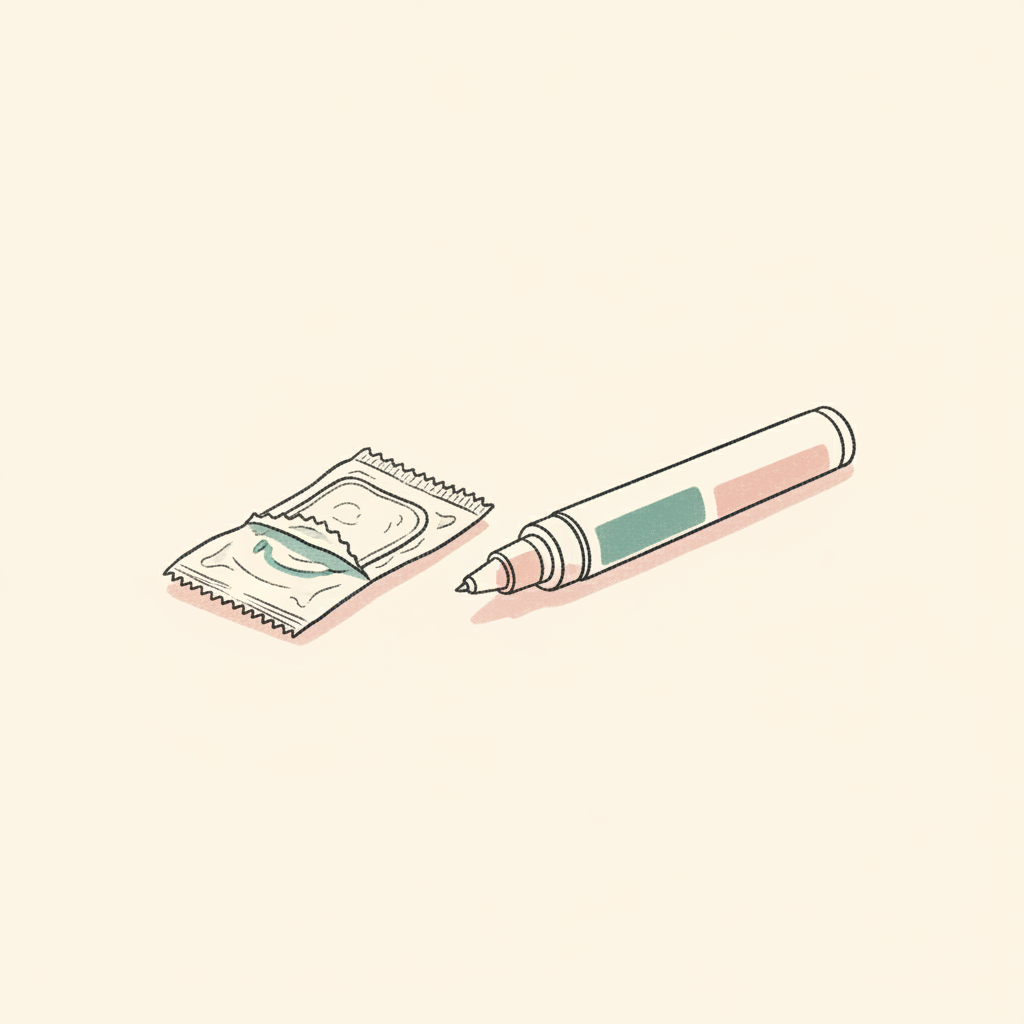
Let alcohol dry before an injection to reduce stinging
@chronicaccounts found that allowing rubbing alcohol to dry completely on their skin before an injection helped eliminate the sharp, burning sensation. If an injection is given while the skin is still wet, the needle can pull wet alcohol under the surface, causing extra discomfort. Waiting a brief moment for the alcohol to fully evaporate made their regular injections much easier to handle.
via TikTok
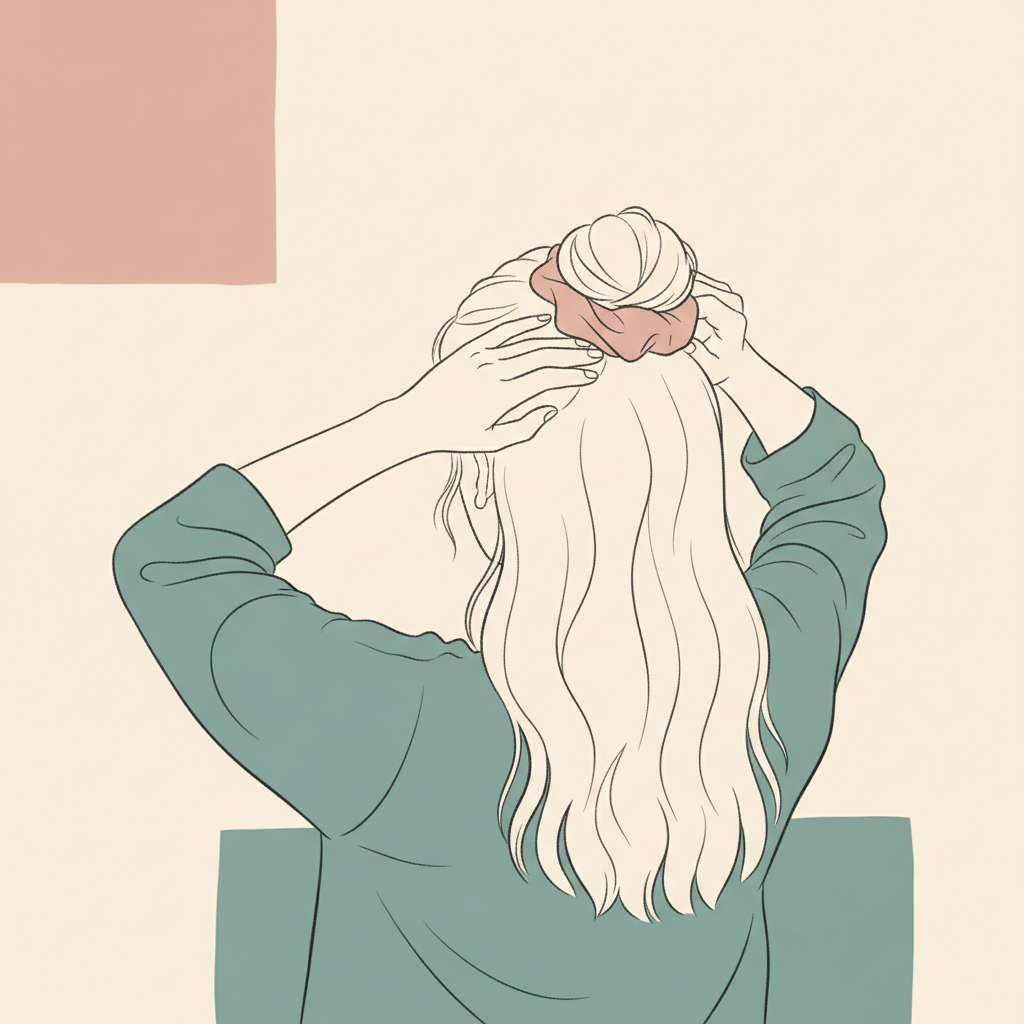
Switching to a loose bun to reduce scalp tension
Tight hairstyles can cause external-traction tension that may aggravate an already sensitive scalp and prompt an attack. One writer found that loosely gathering hair into a high bun provided the most comfort. If any band still feels tight, using a light claw clip or letting your hair hang completely loose can also relieve pressure.
via tevapharm.com
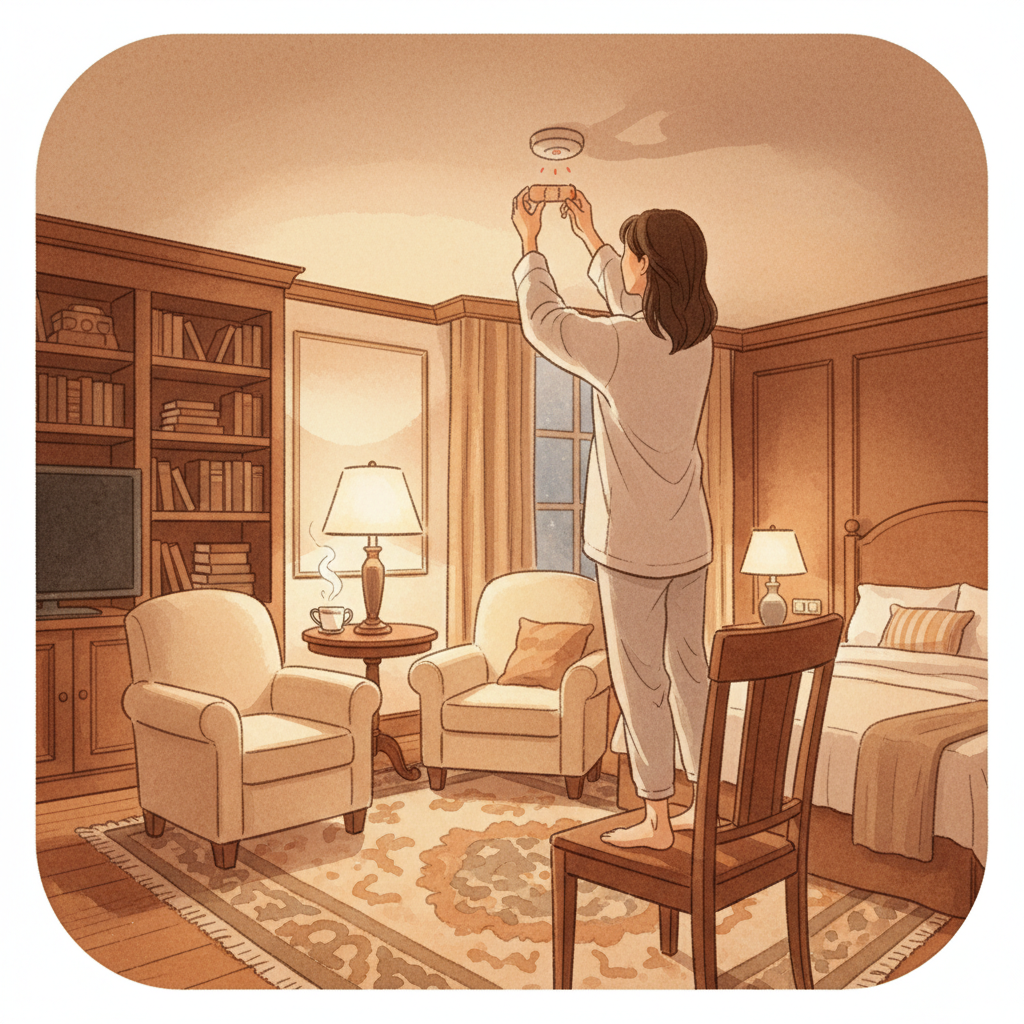
Covering a blinking smoke detector led for darker sleep
One person found that covering the blinking led light on a hotel smoke detector helps create the darkness needed to fall and stay asleep. Even a single tiny flashing light can disturb a sensitive brain during the night. They use an adhesive bandage to shield the light, or a simple scrap of paper as an alternative.
via dmarge.com
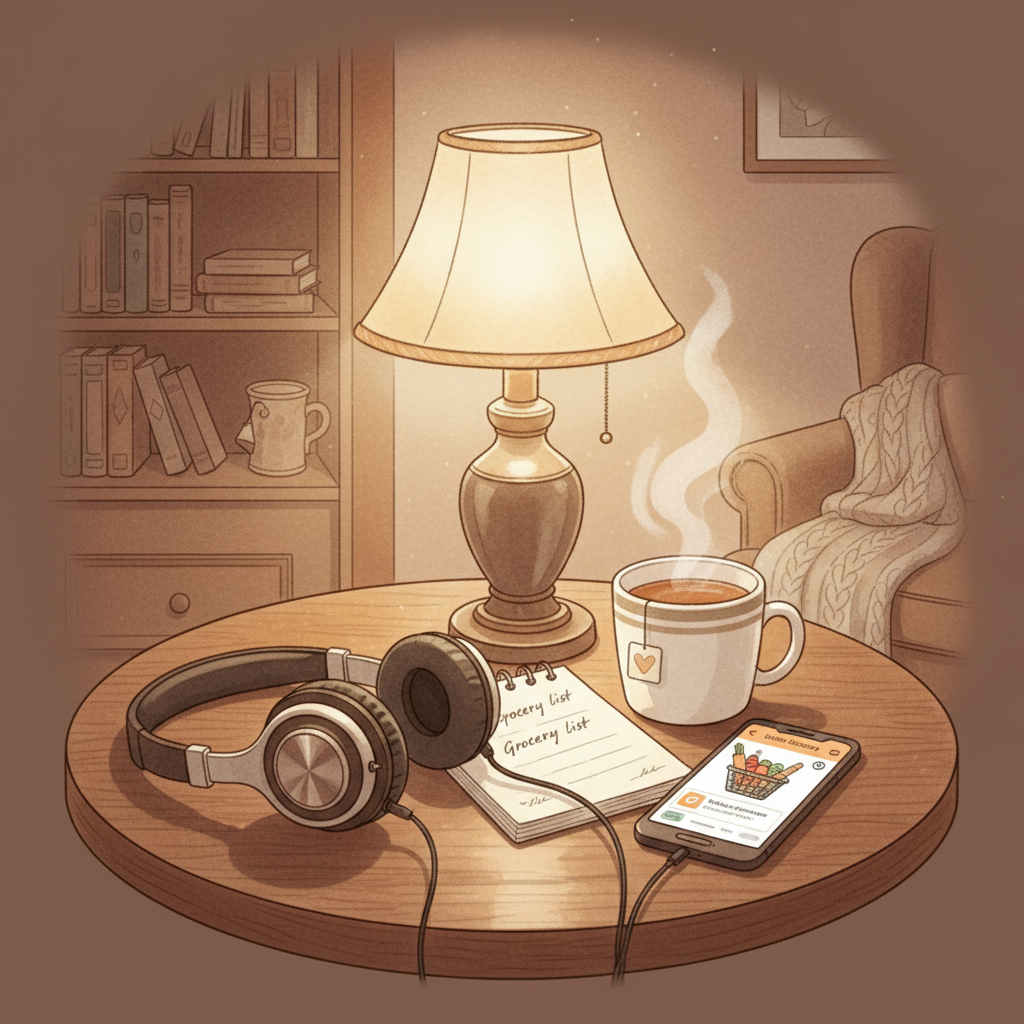
Avoiding grocery store sensory triggers to prevent attacks
One person found they could prevent store-triggered attacks by ordering household cleaning supplies online, entirely avoiding the strongly scented detergent aisle. They also schedule their grocery trips during off-peak hours to minimize crowds and wear over-ear headphones with nothing playing to buffer supermarket noise. If headphones feel bulky, standard earplugs or curbside pickup can offer similar protection from sensory overload.
via migraine.com
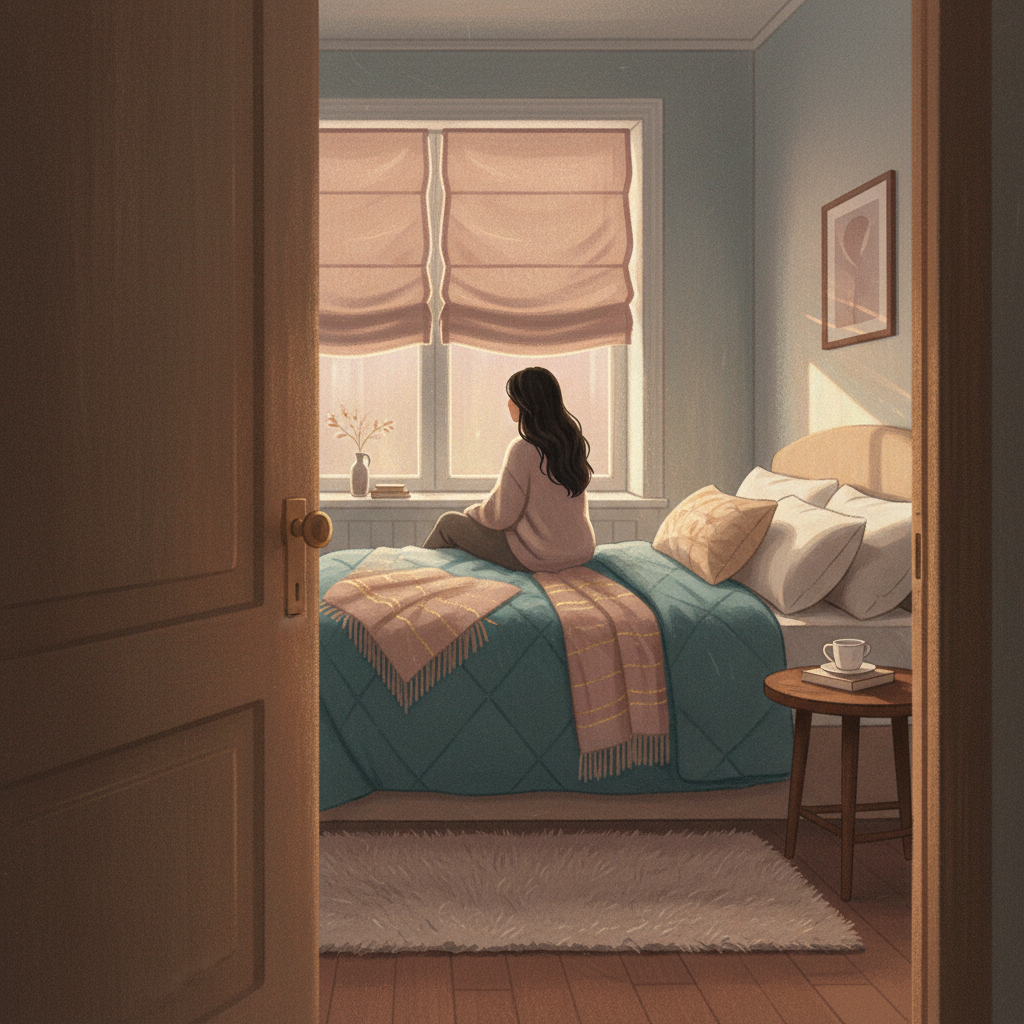
Setting silent signals with family during an attack
One clinical recommendation suggests agreeing on quiet signals with household members ahead of time. For example, resting in bed with the window shades drawn can serve as a clear sign that you cannot talk or join meals, letting family carry on without you. Setting these boundaries early spares you from having to hold conversations or explain symptoms when sensory overload and pain are intense.
via healthlibrary.brighamandwomens.org
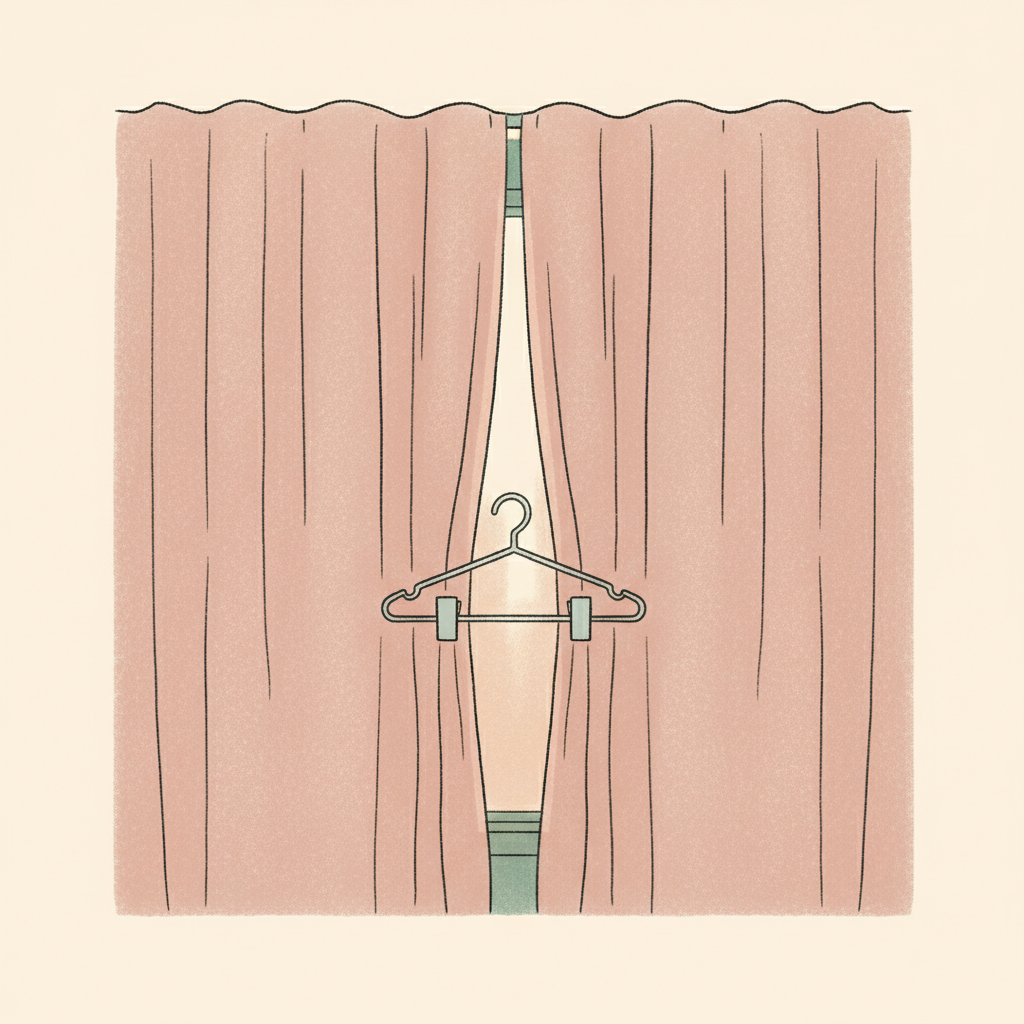
Clip hotel curtains shut to block light leaks
One person found that using the clips on a closet hanger to pinch hotel curtains shut helps eliminate annoying gaps of light. If the closet has fixed hangers that cannot be taken off the rail, bringing along a few binder clips provides an easy portable alternative. This simple adjustment keeps the room fully dark, helping to shield sensitive eyes and protect sleep while away from home.
via mentalfloss.com
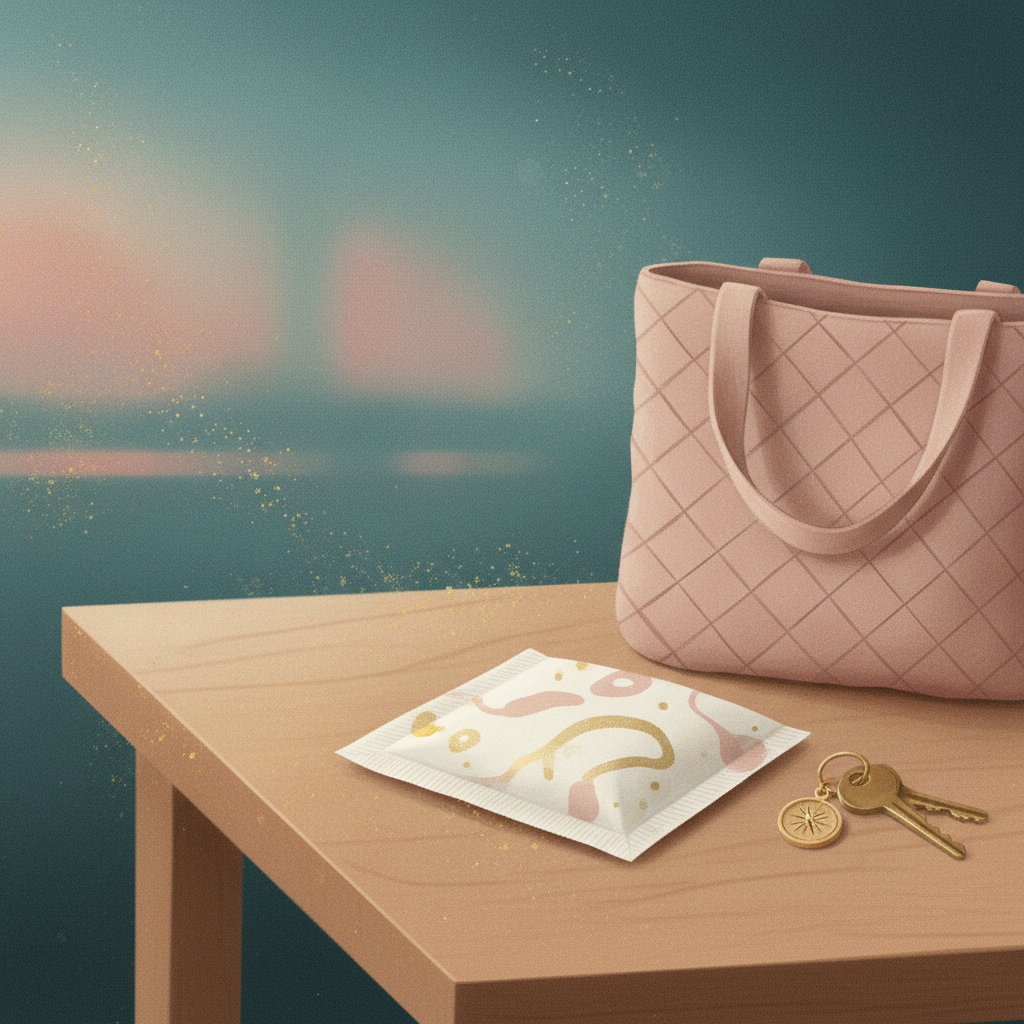
Keeping an airsickness bag handy for sudden nausea
One person found that keeping a flat airsickness bag tucked into their purse or work bag prevented panic and scrambling when an attack brought on sudden vomiting. Having a dedicated bag within arm's reach helps manage unexpected nausea while commuting in a car or sitting at a desk when reaching a bathroom in time is difficult. Simple household alternatives like a sturdy sealable zip-top bag or a small disposable trash bag work similarly when stored flat in daily bags or a glove compartment.
via excedrin.com
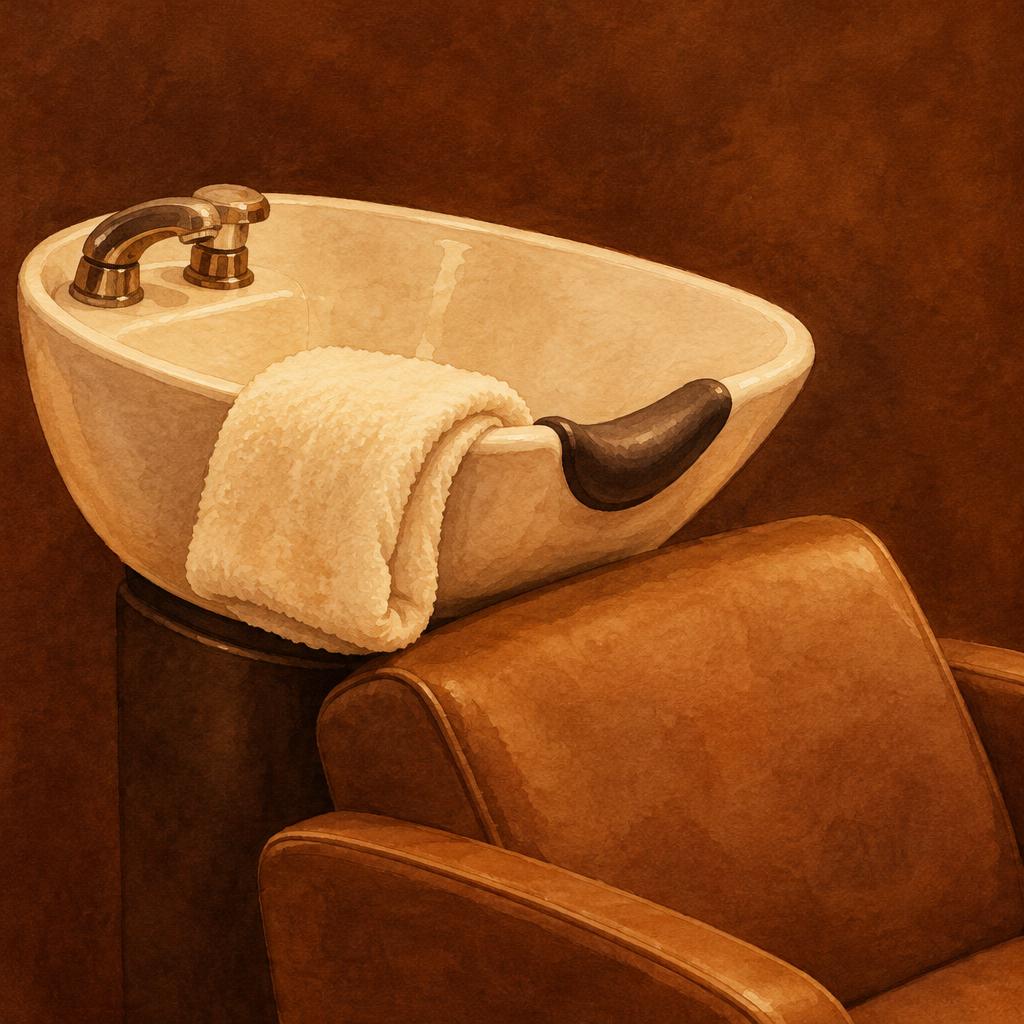
Cushioning salon sinks to prevent scalp and neck pain
One person found that the hard edge of a hair salon washbasin pressing against the base of her skull could trigger head pain. Asking the stylist to place a rolled towel under the neck provides an easy buffer against the firm pressure. Bringing a small travel neck cushion or asking for an extra folded cape can work just as well.
via tevapharm.com
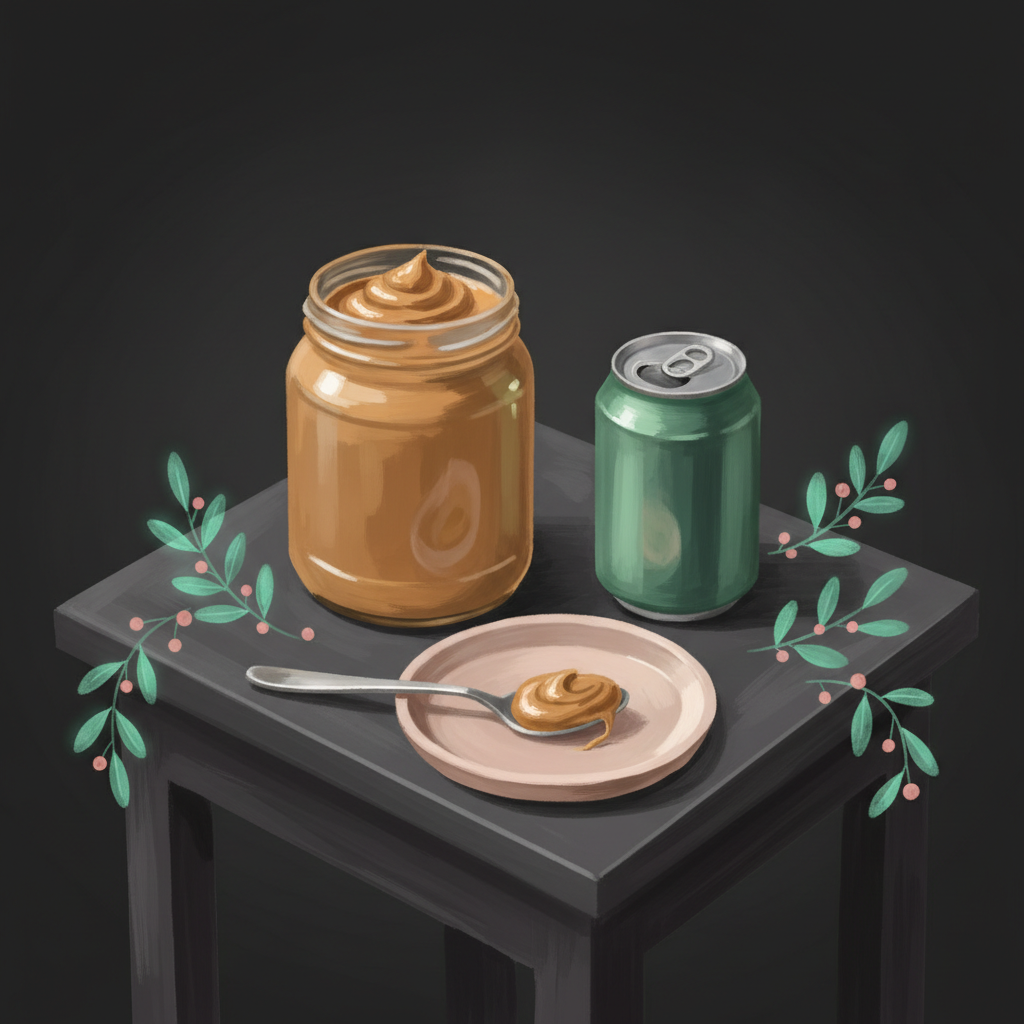
Peanut butter, caffeinated soda, and rest at onset
One person found relief following their neurologist's advice to consume protein right as symptoms begin. Their routine involves eating a spoonful of peanut butter, drinking a regular caffeinated soda, and resting for thirty to sixty minutes.
via alike.health
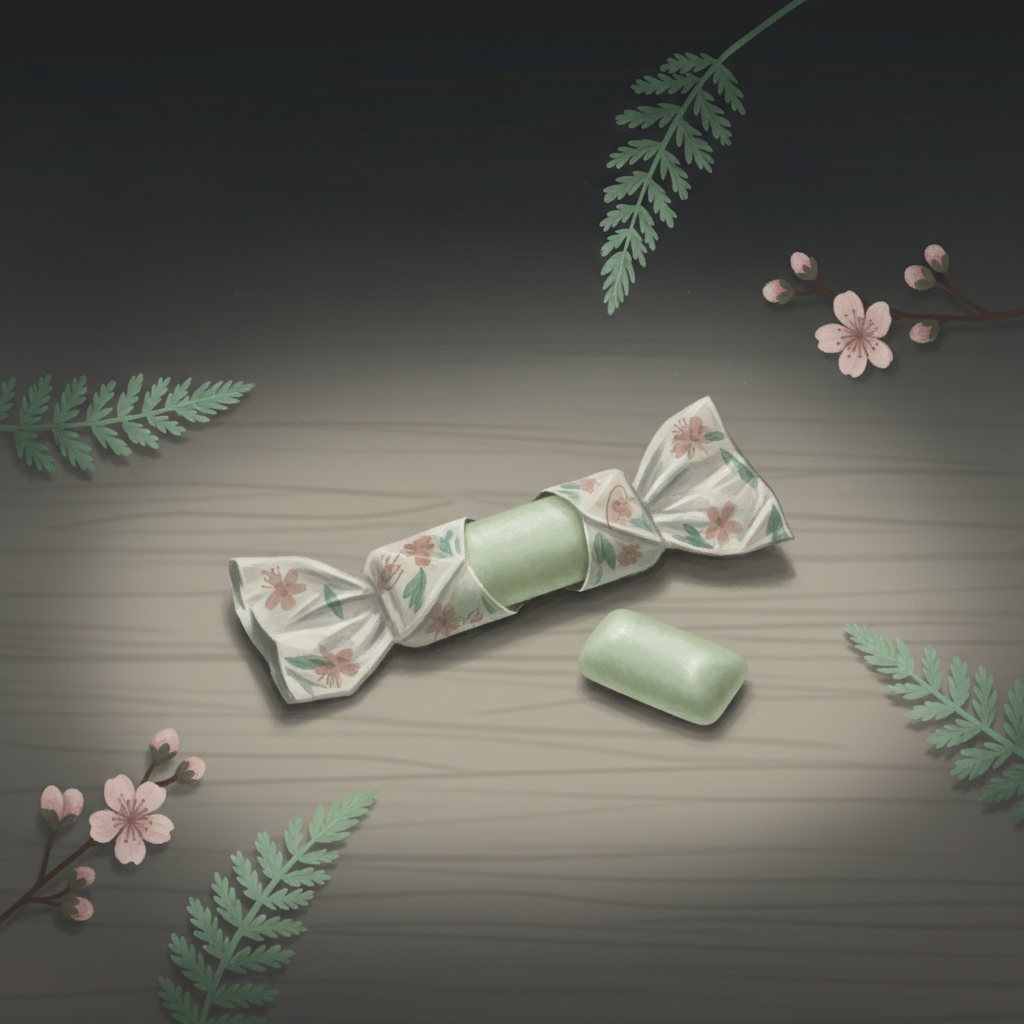
Taking a break from chewing gum for headache relief
Reports highlight that many young people with persistent headaches experienced notable improvement after quitting chewing gum for a month. In those observations, headaches often returned once gum chewing resumed, pointing to jaw strain and temporomandibular joint stress as a likely trigger. Taking a break from habitual gum chewing may help clarify whether repetitive jaw movement contributes to head pain.
via drweil.com
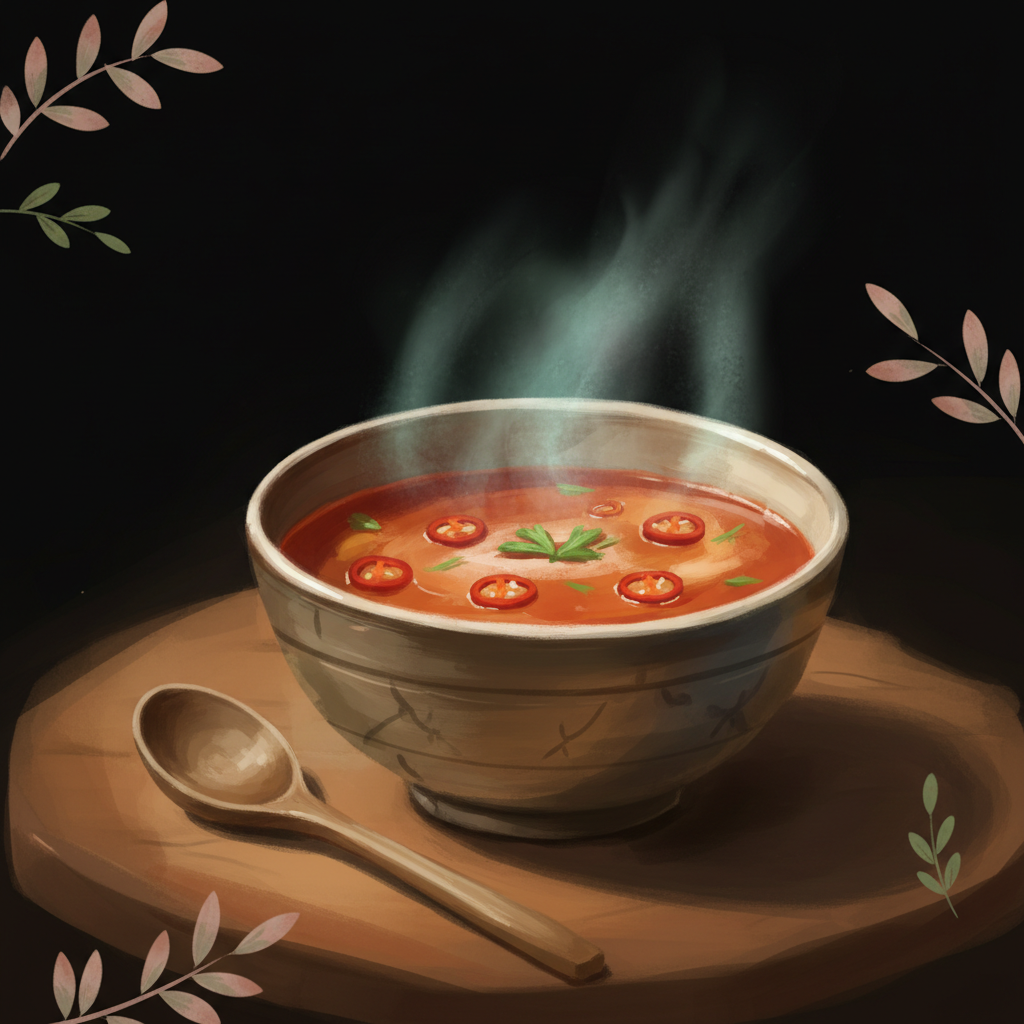
Eating spicy soup at the first sign of migraine
Several people found that having a bowl of spicy soup at the earliest hint of an attack helped cut it short. Options like hot and sour soup or chili-infused gumbo provide heat that is thought to stimulate sensory nerve channels and interrupt the pain cascade.
via peoplespharmacy.com
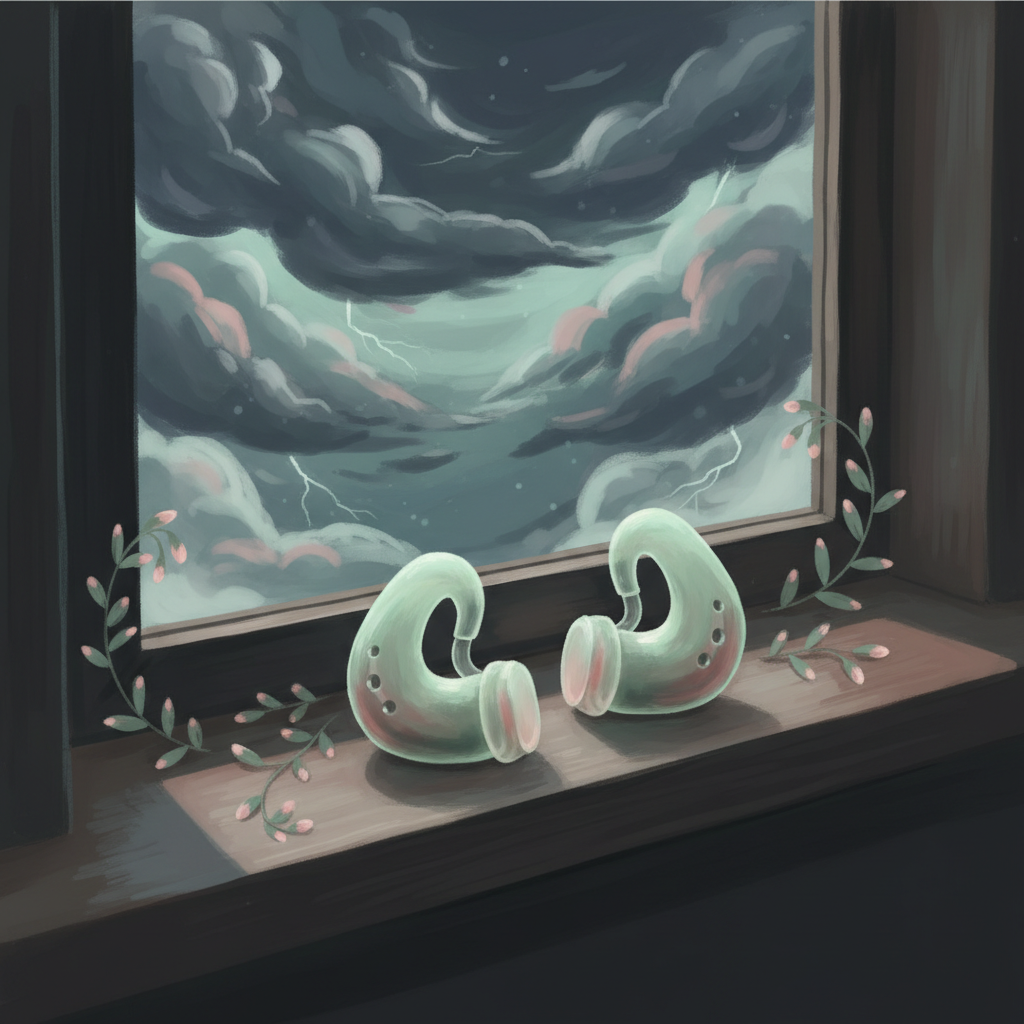
Wearing pressure-filtering earplugs for barometric changes and travel
Community members whose attacks follow barometric shifts found relief by wearing pressure-filtering earplugs during flights and on stormy days. One person noted that forgetting their pair before a pressure drop cost them an entire day to an attack.
via migraine.com

Using a quick brain freeze to stop an attack
Some readers report that drinking an icy slushie quickly can help stop an attack if done at the earliest signs. Others find that pressing cold ice cream firmly against the roof of the mouth creates a similar brain freeze sensation that halts their symptoms early on.
via peoplespharmacy.com
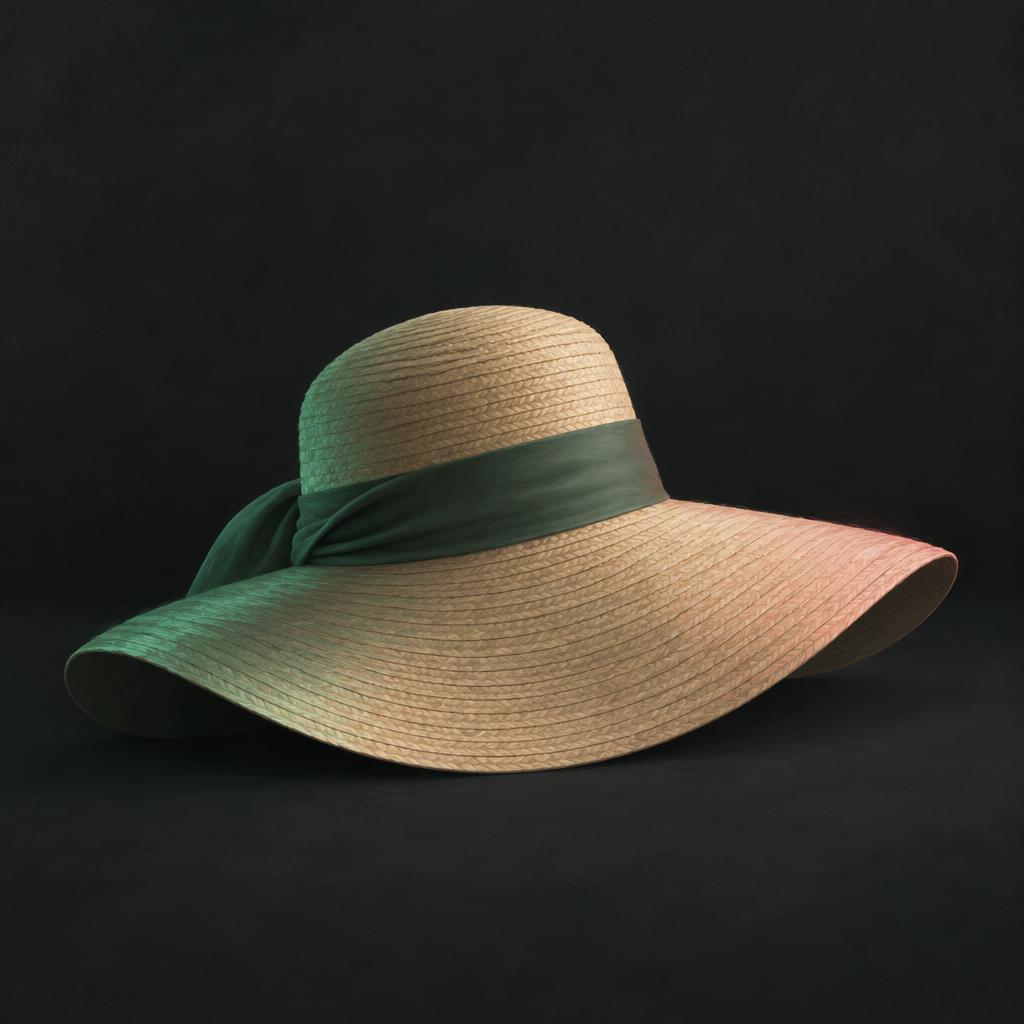
Wear a wide-brim hat to block overhead glare
One person found that wearing a round, wide-brimmed hat helps shield against harsh overhead fluorescent lights in places like waiting rooms and shops. Unlike a standard cap that leaves the sides exposed, a 360-degree brim blocks peripheral glare from above. Shading the eyes with another style of sun hat or simply holding a hand above the brow can provide similar relief.
via theraspecs.com
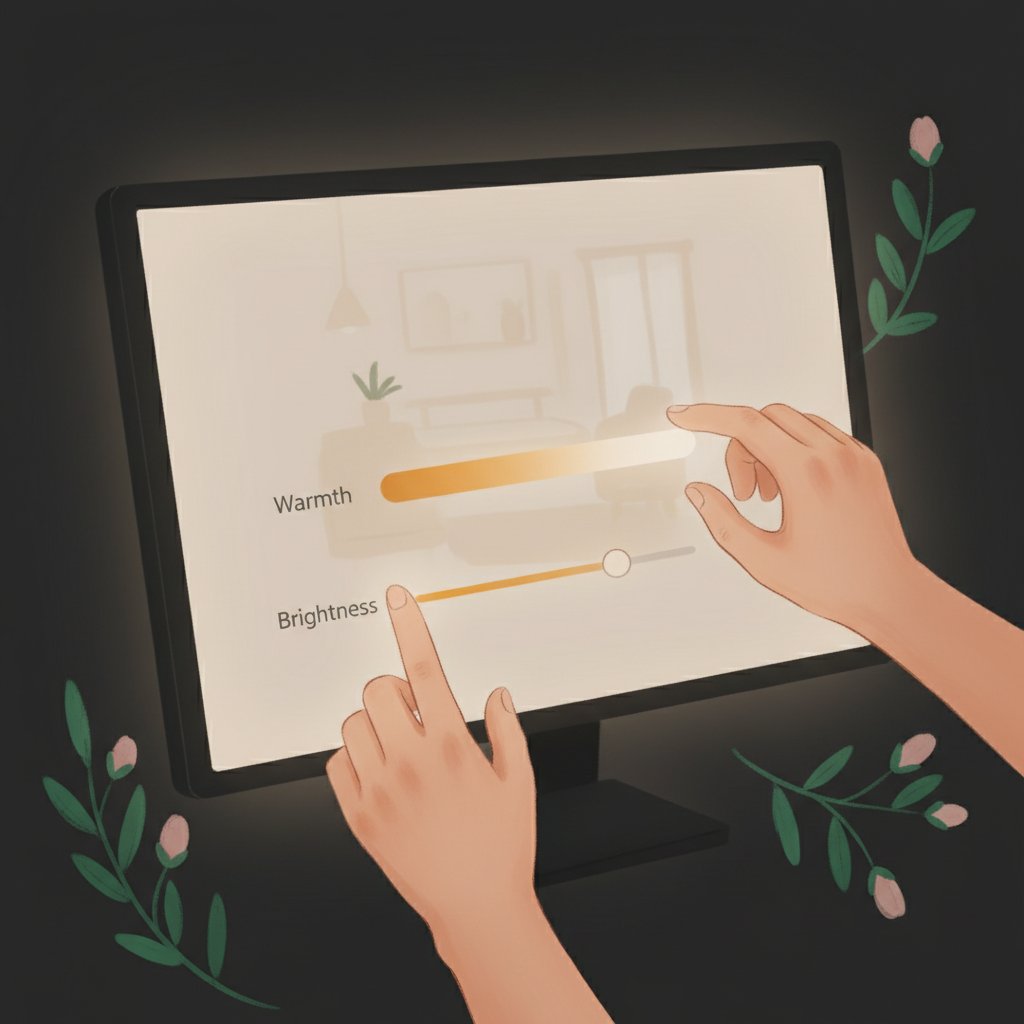
Adjusting screen display settings to prevent visual triggers
One writer found that tailoring their digital displays significantly reduced screen-triggered attacks. They enabled dark mode, shifted the screen to its warmest color temperature, manually lowered the brightness, and turned on a higher refresh rate to minimize scrolling stutter. Calibrating these built-in software settings or using third-party display tools can help create a smoother, more comfortable visual environment for daily work.
via androidauthority.com
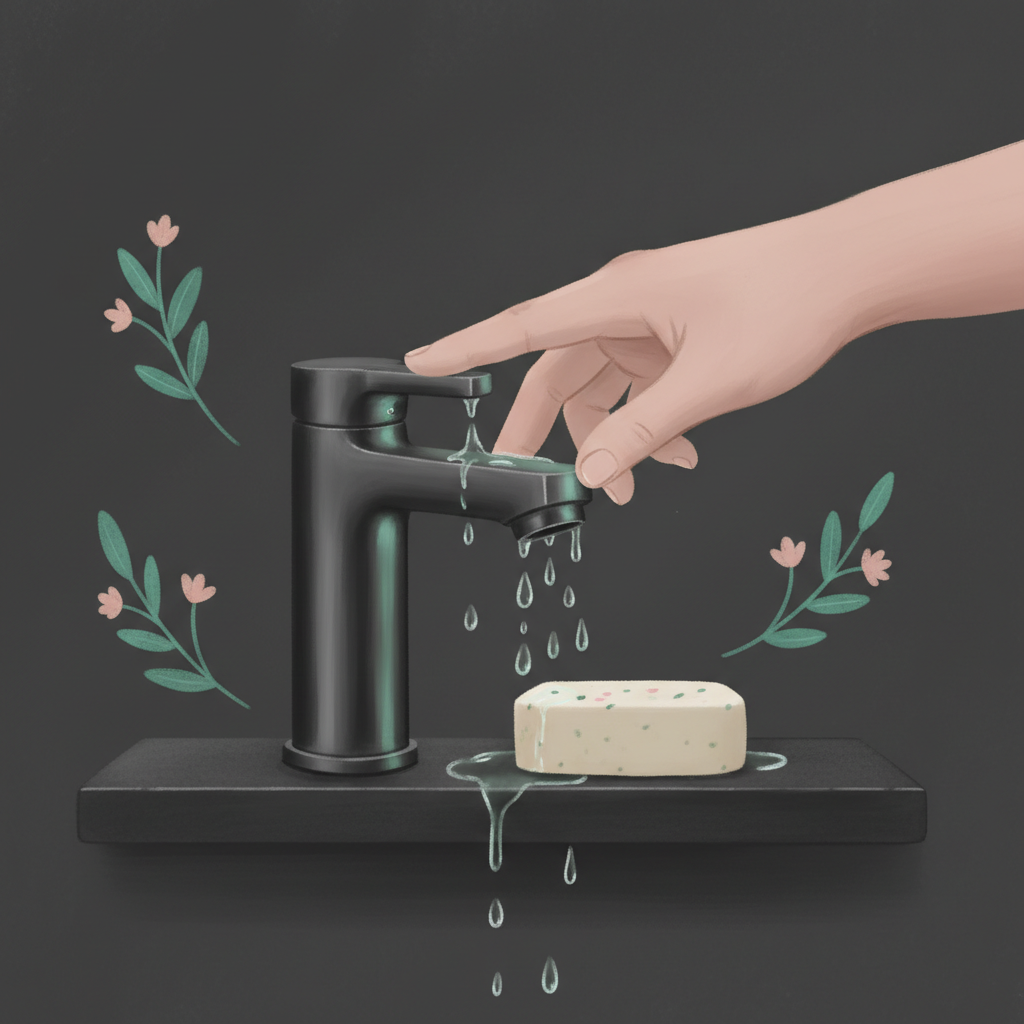
Taking a brief shower to conserve energy
One person found that adapting their shower routine during an attack helps prevent exhaustion. They quickly wet down, turn off the water to soap only where necessary, and turn it back on briefly to rinse, minimizing physical exertion, heat exposure, and time spent standing.
via migraine.com
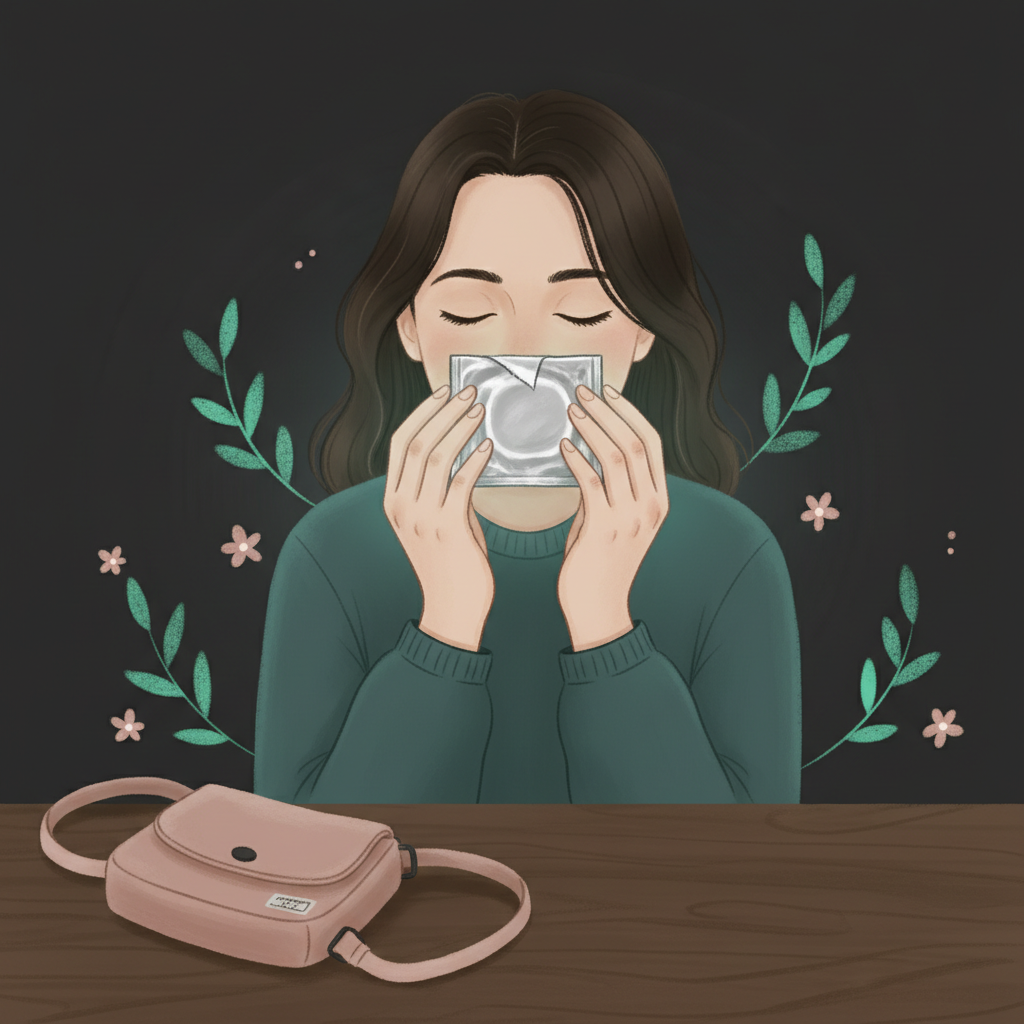
Sniffing an isopropyl alcohol pad to calm sudden nausea
One person shared that gently sniffing an individually wrapped isopropyl alcohol prep pad helped ease nausea symptoms during an attack. Drawing on emergency room research, inhaling the scent can provide rapid relief when an upset stomach hits. Tucking a single wipe into a bag makes it a handy portable option, while standard rubbing alcohol on a tissue works as a simple alternative at home.
via ems1.com
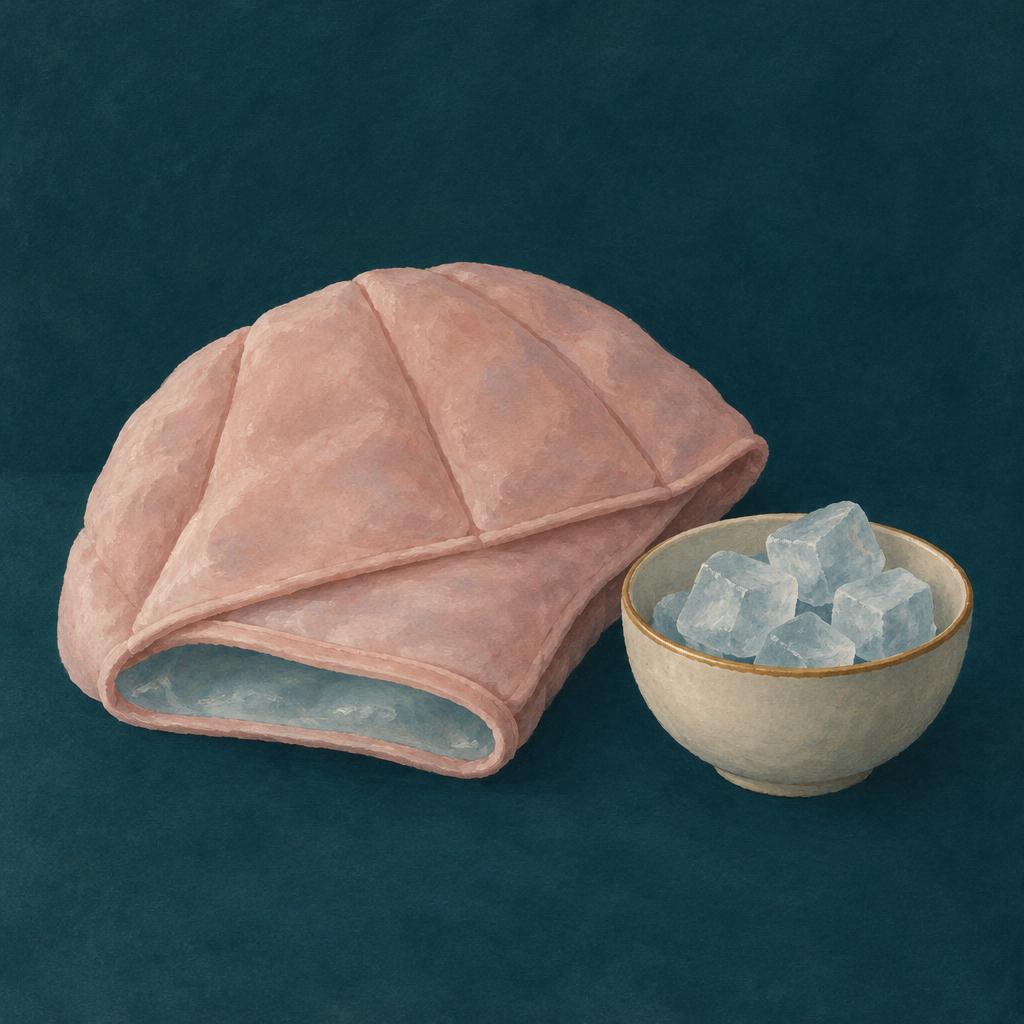
Freezing a gel hat to block light and sound
One person with predictable monthly attacks keeps a slip-on gel hat in the freezer so it is ready when needed. Wearing it over their eyes and ears helps cool the head while shutting out sensory triggers like bright light and noise. Chilled gel packs wrapped in a soft cloth or a damp washcloth can offer a similar cooling sensation.
via tampabay28.com

Tying a stretchy sock for firm temple counter-pressure
One person found relief by tying a tube sock snugly around their head, positioning the knot directly over the temple that hurt the most to create targeted counter-pressure. They noted that any piece of stretchy household fabric can be used to achieve the same steady pressure.
via migraine.com
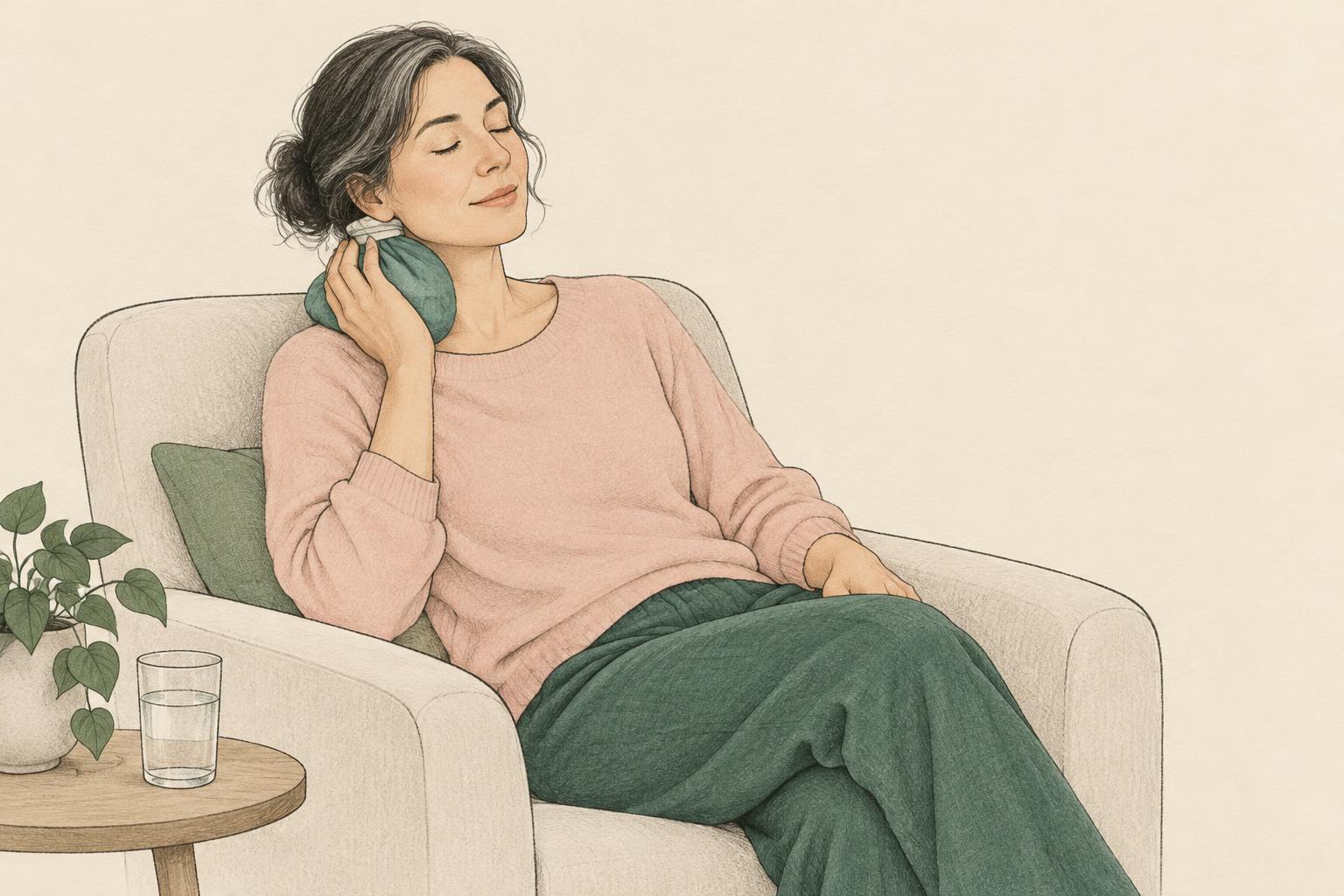
Cooling the neck over carotid arteries at attack onset
One person shared evidence showing that applying cold directly to the neck over the carotid arteries can help ease pain when started early in an attack. The original method used a frozen neck wrap positioned where these vessels run close to the surface, though an ordinary gel cold pack or an ice pack wrapped in cloth can serve as an everyday alternative.
via pmc.ncbi.nlm.nih.gov
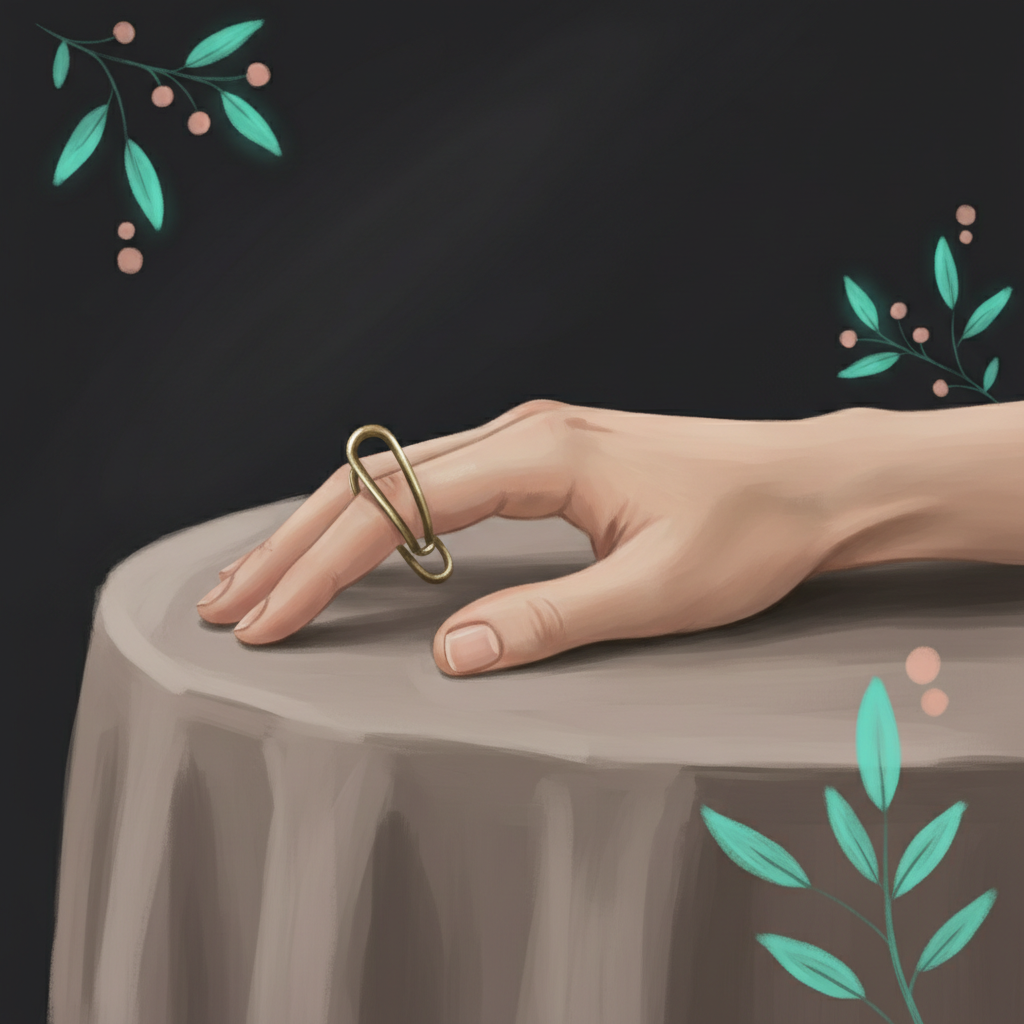
Using a chip clip on the hand acupressure point
One person found that placing a kitchen chip clip on the webbed space between their thumb and index finger cut their migraine pain in half within twenty minutes. This spot corresponds to the LI4 acupressure point, commonly used in pressure therapies. While the original approach used a chip clip, similar pressure can be applied with standard household clips or simply by using your opposite hand's fingers.
via womanandhome.com
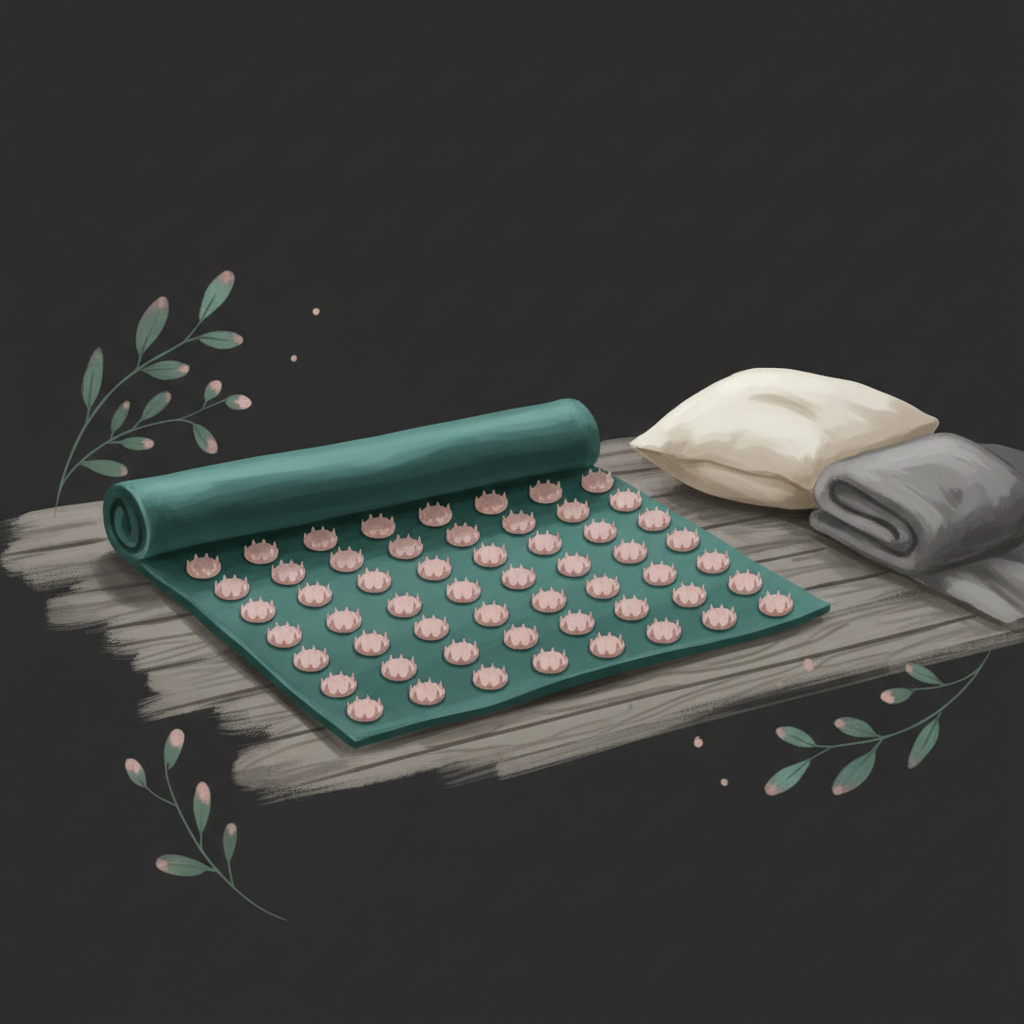
Resting on an acupressure mat during an attack
One person found relief during attacks by lying flat on a spiked acupressure mat. They noted that the flood of intense tactile sensation seemed to compete with and crowd out their head pain. Those curious about the sensory distraction without a specialized mat can try lying on a coarse textured towel or using direct fingertip pressure.
via Reddit

Using a cold facial roller along your temples
@brainfogdaily_lr found comfort during an attack by gliding a silicone skincare ice roller along their temples, treating the sensation like a calming facial routine. The combination of cold temperature and gentle rolling pressure helps soothe temporal tension. If you do not have an ice roller, you can achieve a similar effect with a chilled spoon or a cloth-wrapped ice cube, or simply use cool fingertips.
via Lemon8
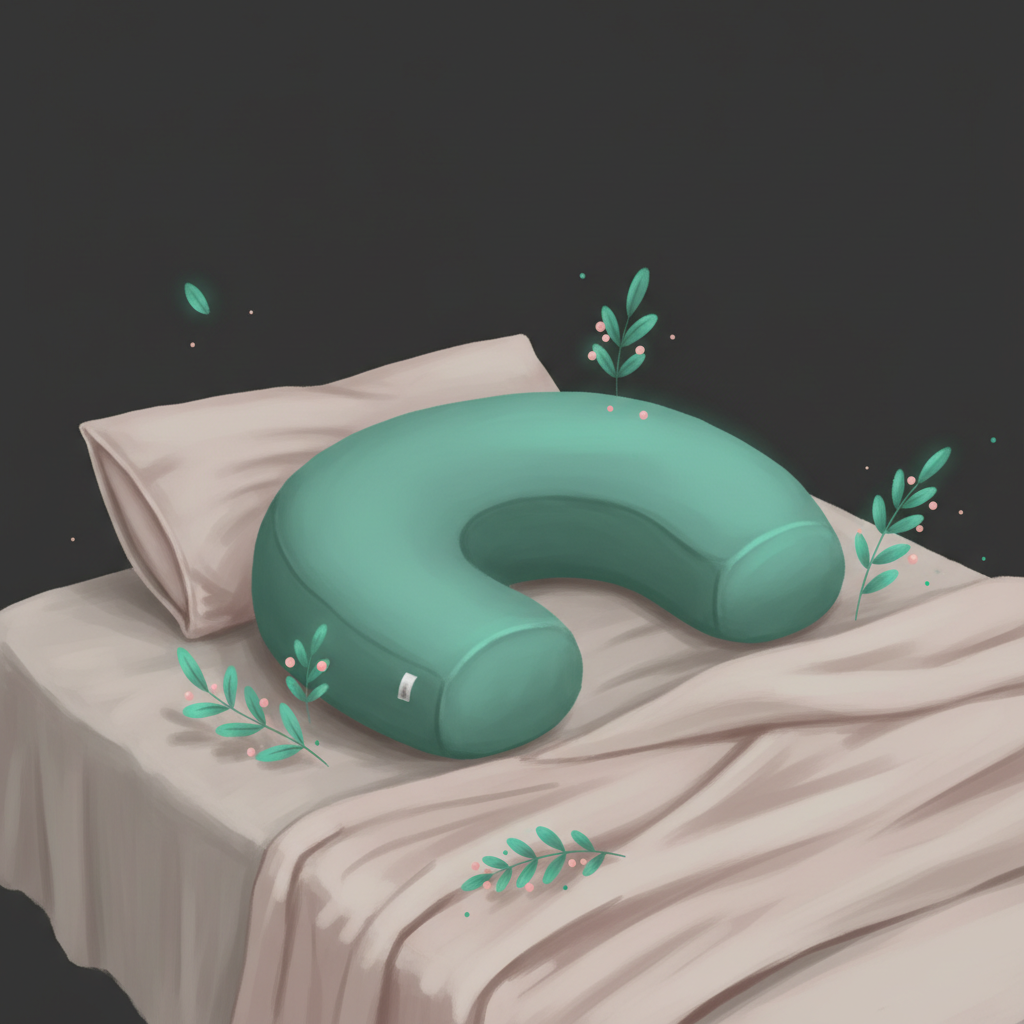
Using a maternity pillow to rest during an attack
@brainfogdaily_lr found that a full-body maternity pillow helped them stay comfortable while lying completely still during an attack, even though they had never been pregnant. They shared that the pillow wedged securely between their knees and supported their lower back. Standard bed pillows or rolled blankets can offer a similar cradling effect if a specialized pillow is not on hand.
via Lemon8
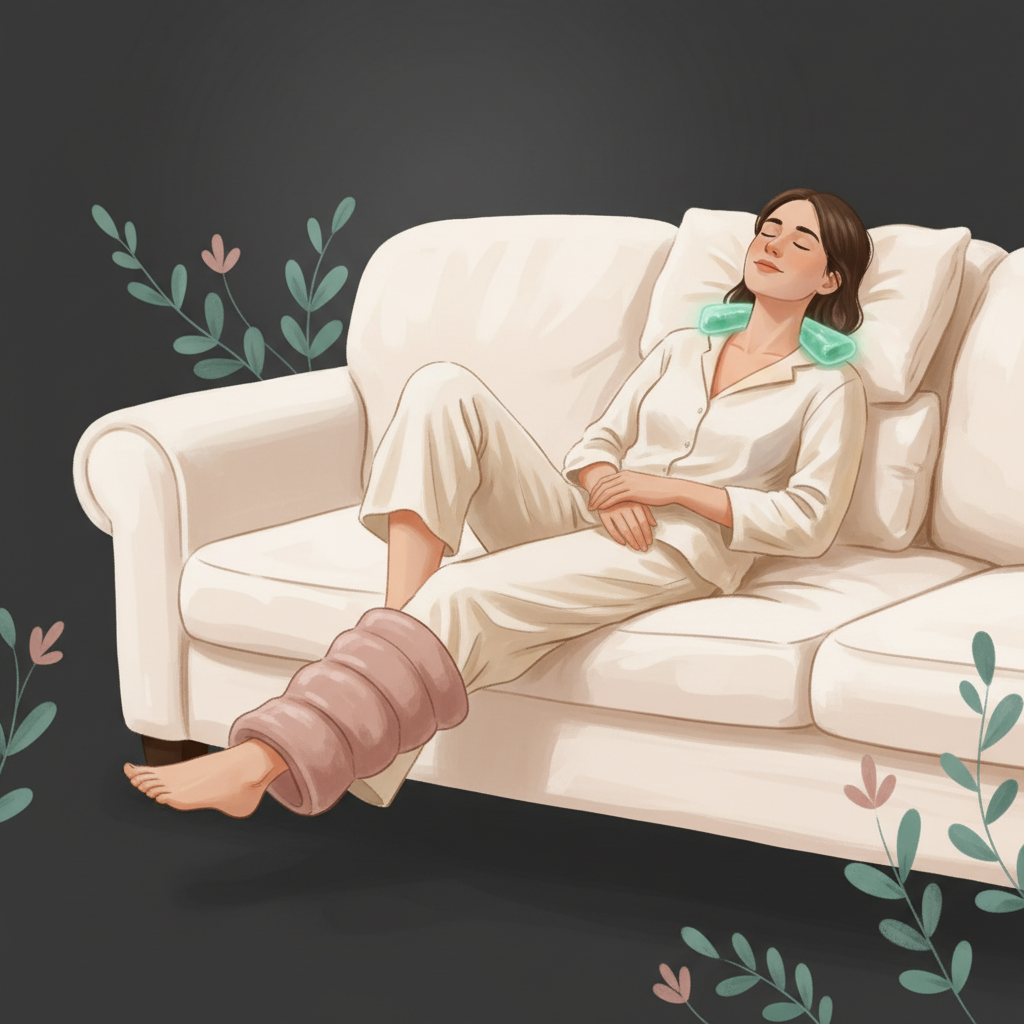
Warming your feet while icing your neck
@brainfogdaily_lr found relief during an attack by wrapping a heating pad around their feet while keeping an ice pack rested against their neck. The approach relies on temperature contrast, keeping one end of the body warm and the other cold. If you do not have a dedicated heating pad or ice pack, a hot foot bath or warm water bottle paired with a bag of frozen peas wrapped in a cloth can create the same effect.
via Lemon8
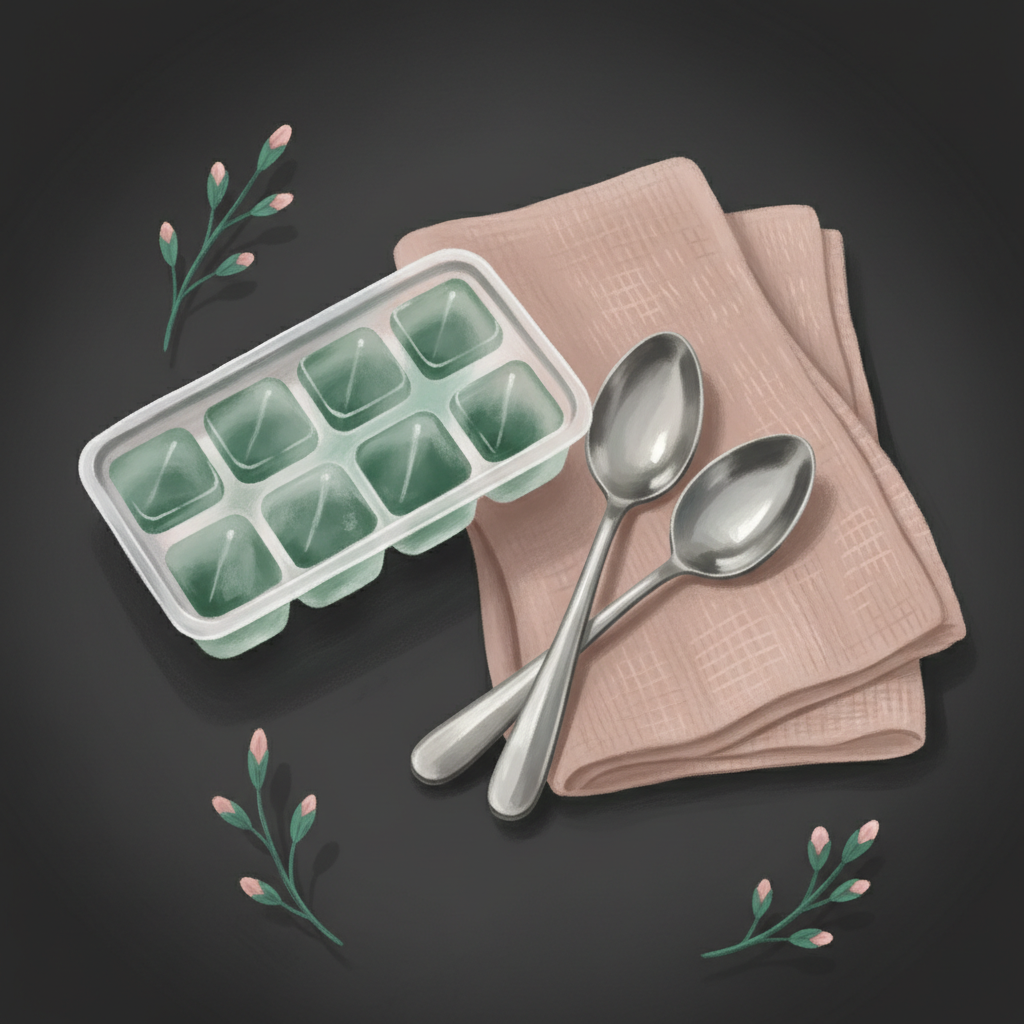
Pressing cold spoons under the eyes for quick relief
@brainfogdaily_lr found that gently pressing a frozen spoon under each eye helped take the edge off during an attack. Though holding cutlery to their face felt a bit unusual, the focused cold application provided noticeable comfort. A chilled gel pack or a damp cold cloth can offer a similar soothing sensation.
via Lemon8
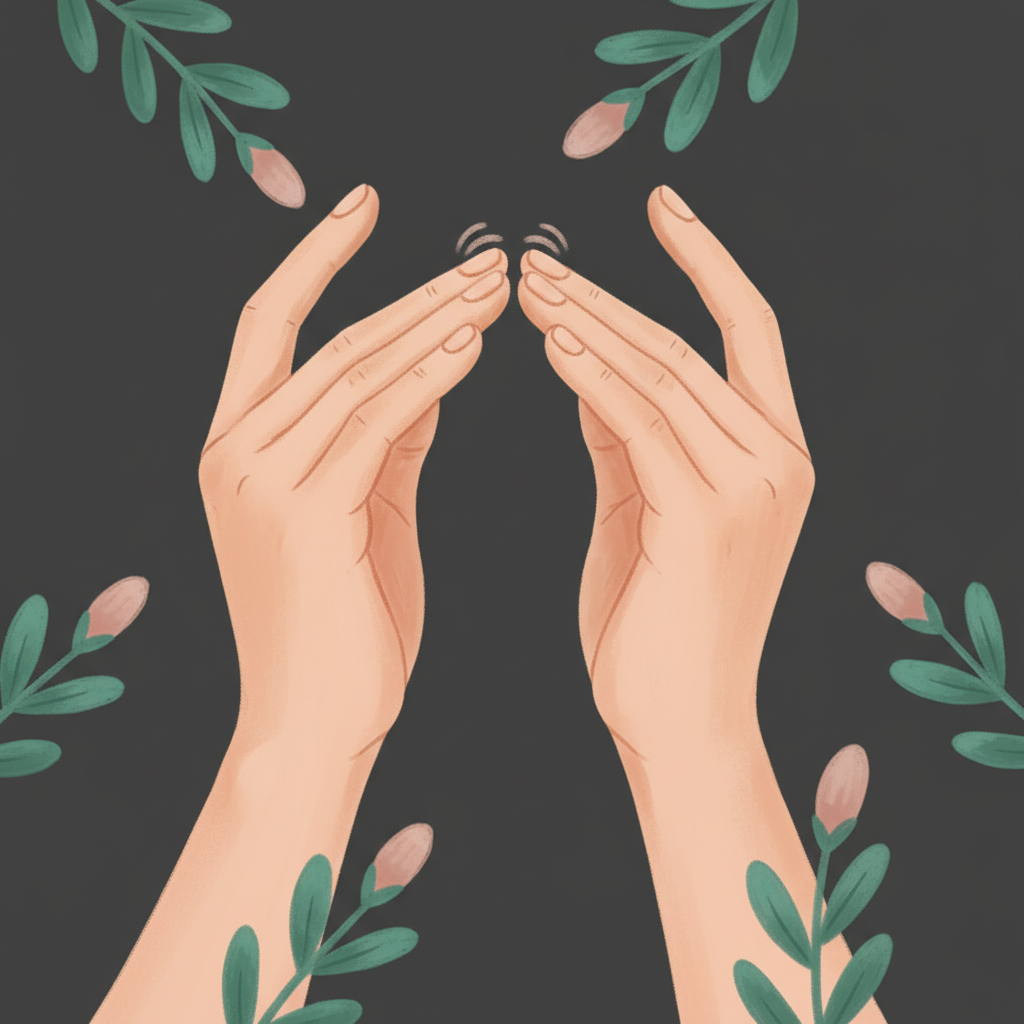
Squeezing under the eyebrow for pain relief: hair claw hack
One person shared that clipping a hair claw clip onto the brow ridge, just beneath the eyebrow, gives steady pressure on the spot where the supraorbital nerve sits, so they could rest without holding it. The idea draws on the gate control theory of pain: competing pressure signals along the trigeminal pathway may temporarily dull the ache. No clip handy? A padded binder clip or simply pinching the same spot between your thumb and finger works the same way. Start gently, keep the skin cushioned, and remove it if anything feels sharp. It is a comfort technique, not a cure.
via Pinterest

Hot foot bath for migraine relief: grandma's remojo de pies
After a week of on-and-off migraine, one Reddit user took an Aleve (naproxen) and then soaked their feet in a very hot foot bath — a "remojo de pies" their grandmother used to make. They kept their feet in for at least five minutes, then put socks on straight away and stayed off cold floors, which was always stressed as the important part. Hours later they still had some odd lingering symptoms but had avoided the worst of the attack. Their theory is that the heat draws blood flow toward the feet and away from the head. They weren't sure whether timing matters, so it may be worth trying early in an attack alongside your usual medication. Use water that feels hot but comfortable — never scalding — and skip it if you have diabetes, neuropathy or circulation problems.
via Reddit
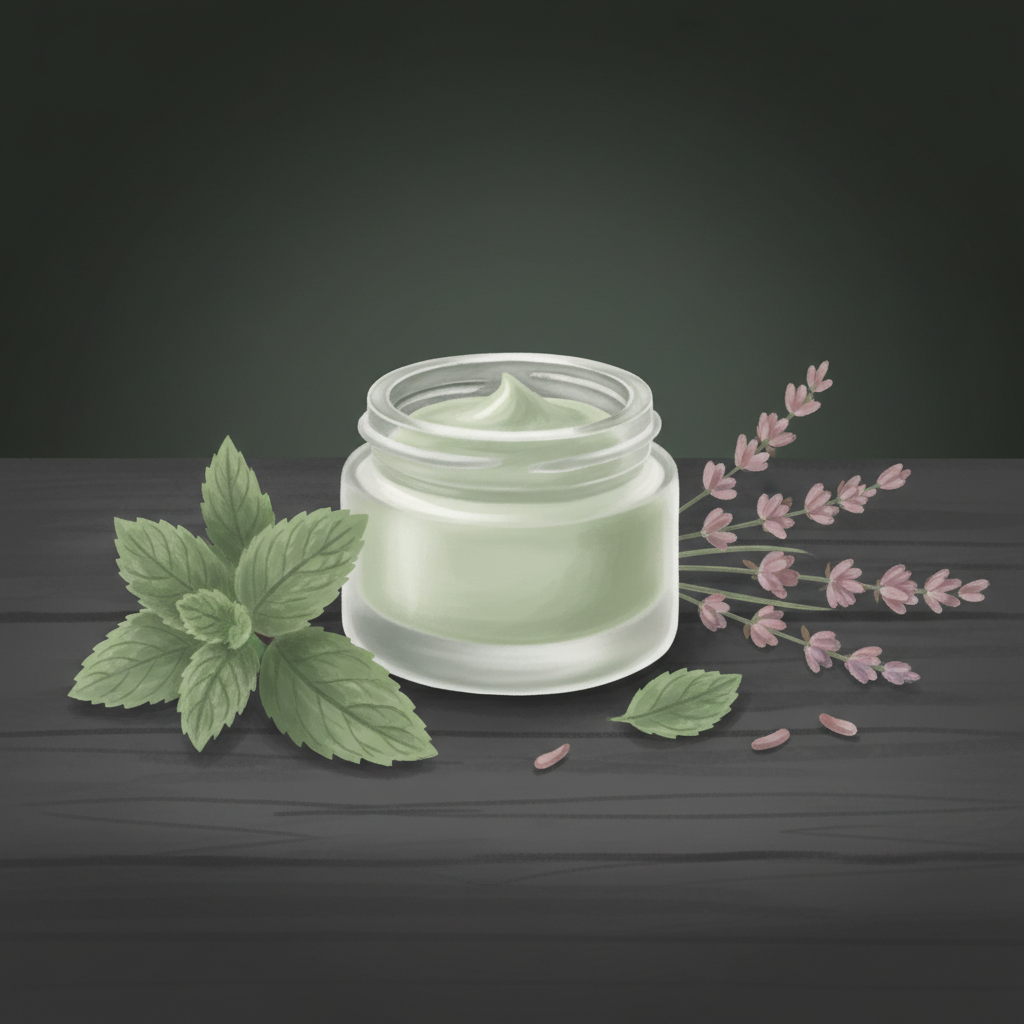
Peppermint and lavender balm for headaches
One person shared a recipe for creating a soothing headache relief balm at home. The mixture combines coconut oil with peppermint, lavender, and frankincense essential oils.
via Pinterest
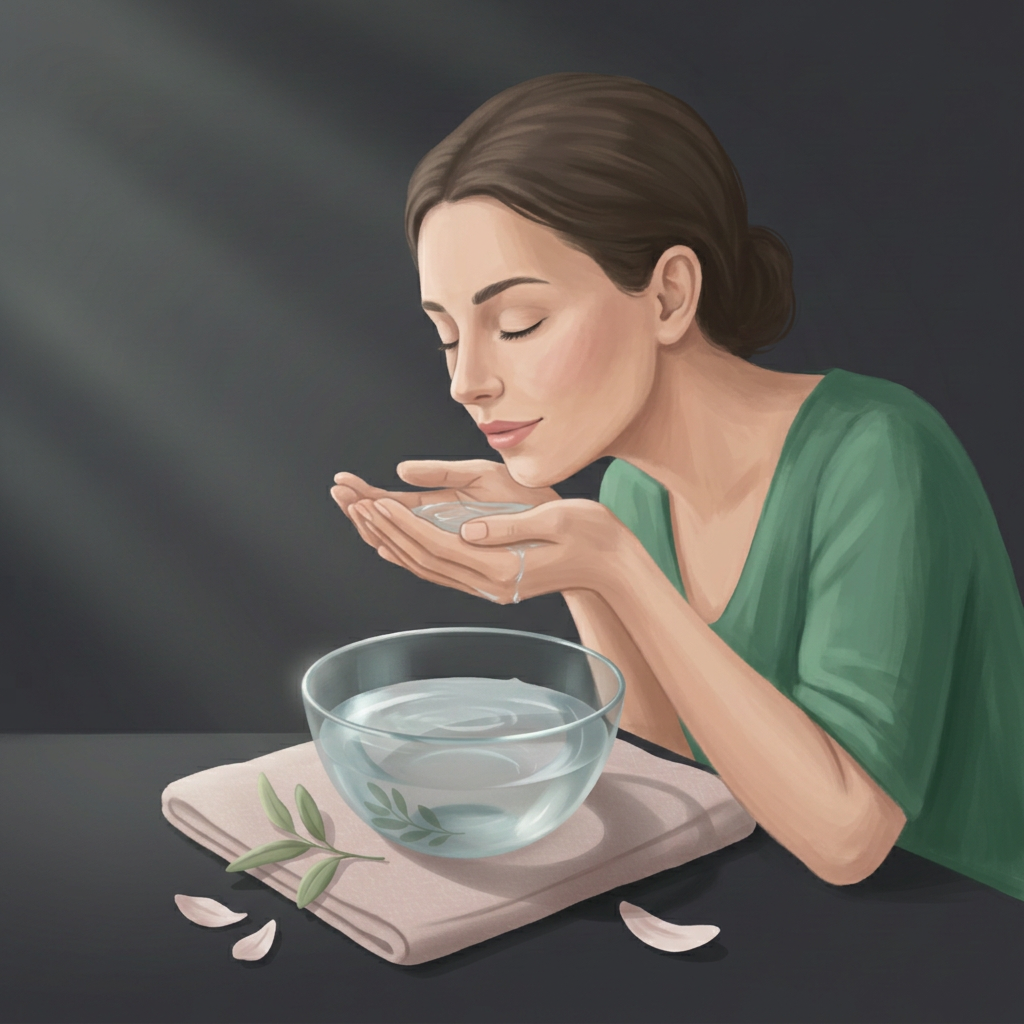
Three simple ways to stimulate the vagus nerve
One physician shared simple, non-medical ways to engage the vagus nerve and activate the body's rest-and-digest response. His suggestions include placing cold water on the face for thirty seconds, humming a low sustained tone or gargling, and practicing slow breathing with an exhale longer than the inhale. He noted that these mechanical techniques can help lower arousal and physically slow the heart rate.
via Instagram
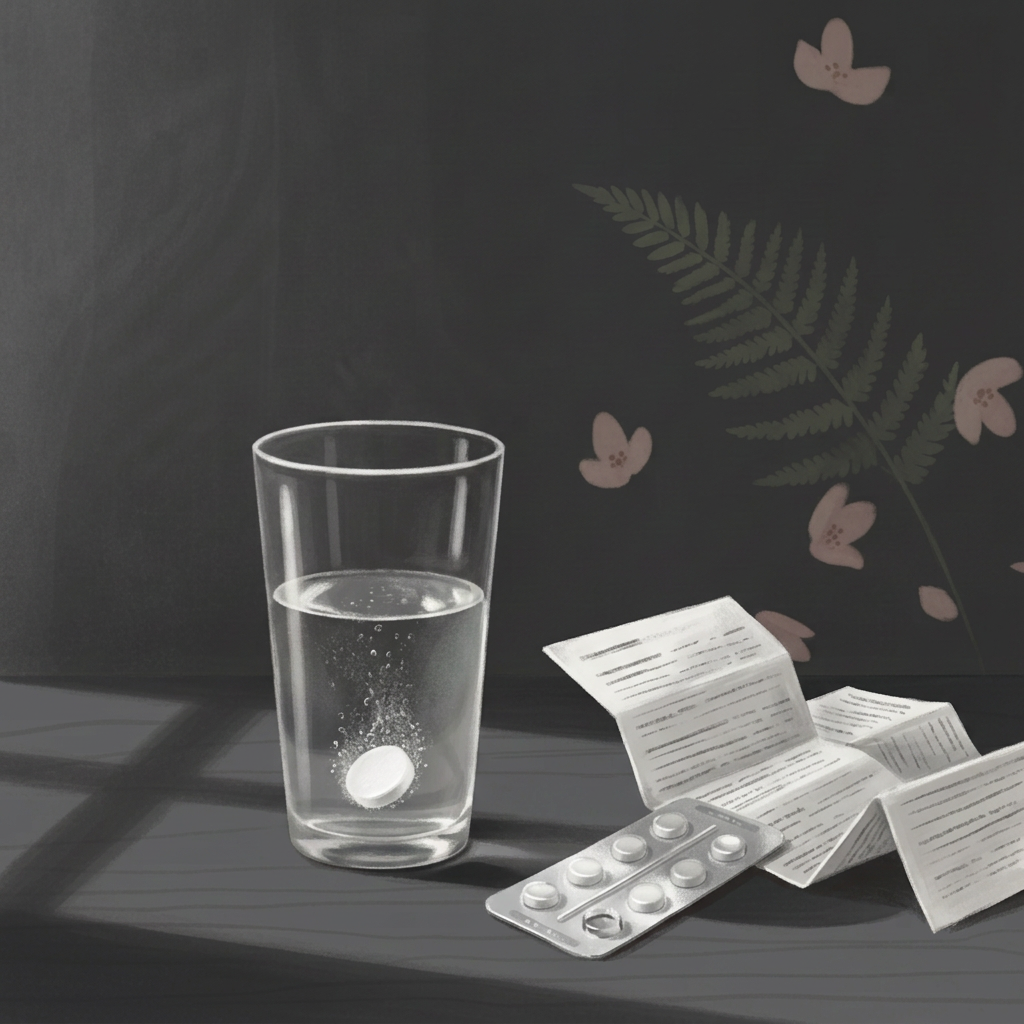
Watching for artificial sweeteners in dissolvable tablets
One person found that the artificial sweeteners used in their dissolvable migraine and nausea tablets were triggering their hemiplegic migraines. After years of attacks, identifying ingredients like aspartame in their prescribed dissolvable medications helped pinpoint this trigger.
via Reddit
This is educational material and practical tracking tools. It is not medical advice. Always consult a qualified doctor.