
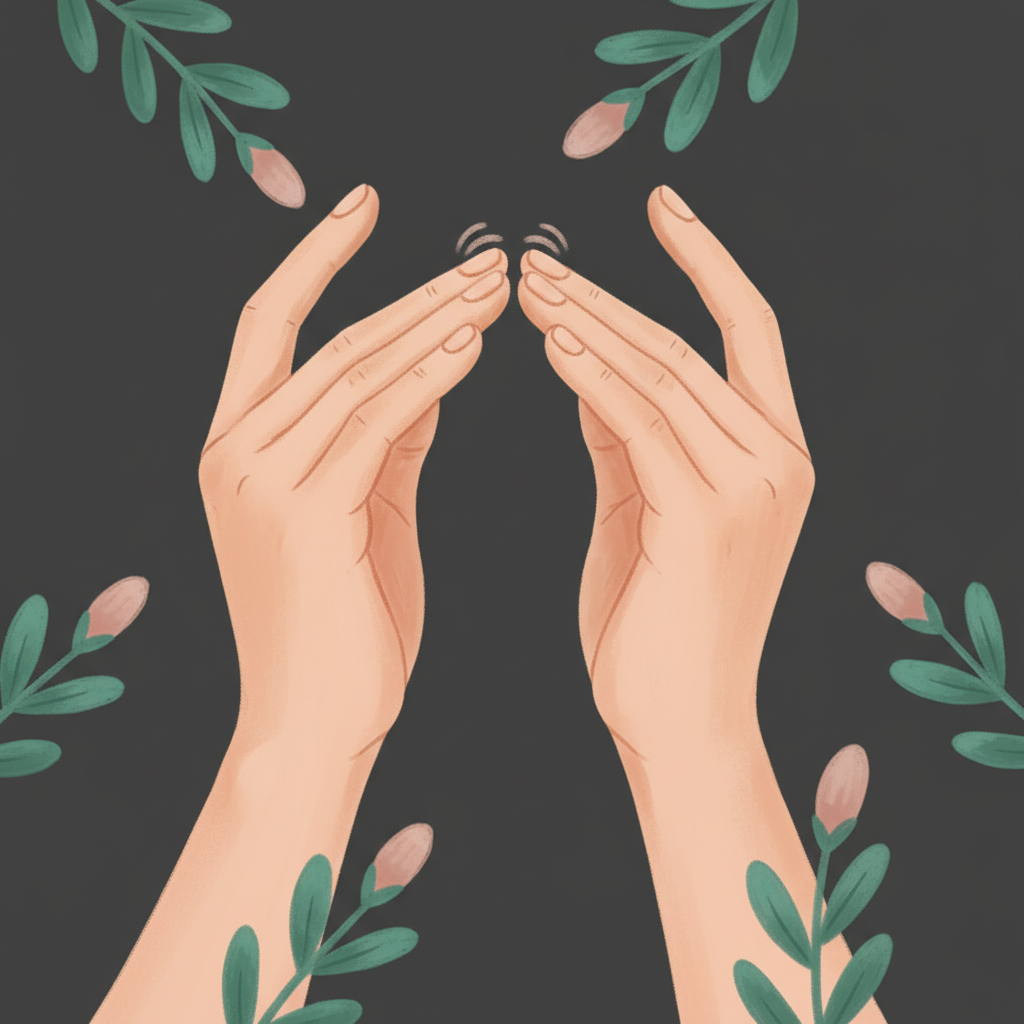
Squeezing under the eyebrow for pain relief: hair claw hack
Tip from Pinterest. · Read the original post
One person shared that clipping a hair claw clip onto the brow ridge, just beneath the eyebrow, gives steady pressure on the spot where the supraorbital nerve sits, so they could rest without holding it. The idea draws on the gate control theory of pain: competing pressure signals along the trigeminal pathway may temporarily dull the ache. No clip handy? A padded binder clip or simply pinching the same spot between your thumb and finger works the same way. Start gently, keep the skin cushioned, and remove it if anything feels sharp. It is a comfort technique, not a cure.
What you'll need
You only need one of these — not all of them.
The original tip uses
A hair claw clip — a smooth, wide-toothed one is gentlest
A small binder clip, with a folded tissue or cotton pad under it
Your thumb and finger — gently pinch the brow ridge, no tool needed
Optional extra — a cool cloth over the eyes while you rest
Good to know
Use gentle, cushioned pressure and never press on the eyeball itself. If your brow, scalp or hair already hurts to touch during an attack (allodynia), skip this — pressure on sensitized nerves tends to add pain rather than ease it. Stop if you feel dizzy or notice vision changes.

Have you tried it?
Cast your vote to see how other people answered.
Tried it
Haven't tried it
What the research says
Little research yet
- The Efficacy of Physical Therapy and Rehabilitation Approaches in Chronic Migraine: A Systematic Review and Meta-Analysis. (2023)
In a review of chronic migraine interventions, acupressure as an adjunct to medication did not show additional benefits for headache intensity or quality of life, though manual physical therapy combined with medication reduced headache days per month (p = 0.047).
- The pathophysiology of migraine. (1985)
This study discusses migraine pathophysiology involving the trigeminovascular reflex and notes that monoamine depletion in descending pathways could open the pain gate, providing theoretical mechanistic context without testing manual pressure.
- Transnasal endoscopy-guided percutaneous access to the sphenopalatine ganglion for neurostimulation in the treatment of primary headache: operative technique and feasibility. (2023)
This cadaver study explored a surgical neurostimulation technique targeting the sphenopalatine ganglion for primary headache based on the gate control theory, using an invasive electrical modality rather than manual pressure.
- Generalized mechanical nerve pain hypersensitivity in children with episodic tension-type headache. (2010)
Children with episodic tension-type headache, rather than migraine, exhibited significantly lower pressure pain thresholds over the supraorbital nerve compared to healthy controls (p < 0.001), demonstrating local nerve hypersensitivity rather than treatment efficacy.
Continued reading
- From our NotesMigraines & Vomiting: Understanding Causes & ReliefUnderstanding the Link Between Migraines and Vomiting Migraine is a neurological condition that can affect the head, stomach, senses, mood, and energy levels at the same time. Nausea and vomiting are not side issues for many people; they are part of the migraine attack itself and can make pain harder to treat, hydratio
- From our NotesHow to Get Rid of a Migraine Fast at Home | Relief RoomFast migraine relief at home: dark rest and cold, plus hydration, caffeine, timed neck release, P6 pressure, and a room built for an attack in progress. How do you get rid of a migraine fast? Get dark and quiet, use cold or heat, sip water, and take any acute medicine you already have. Then add [ ]
Related tips
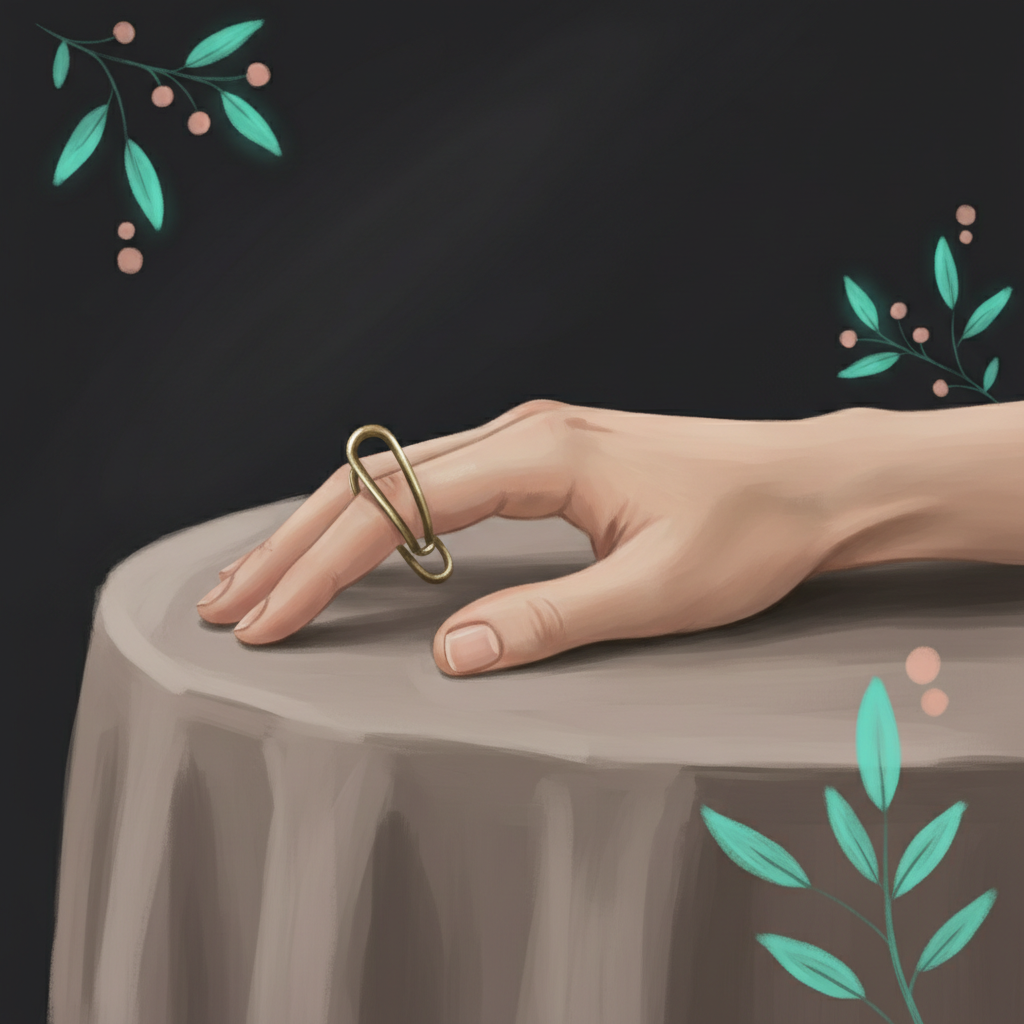 Using a chip clip on the hand acupressure pointOne person found that placing a kitchen chip clip…
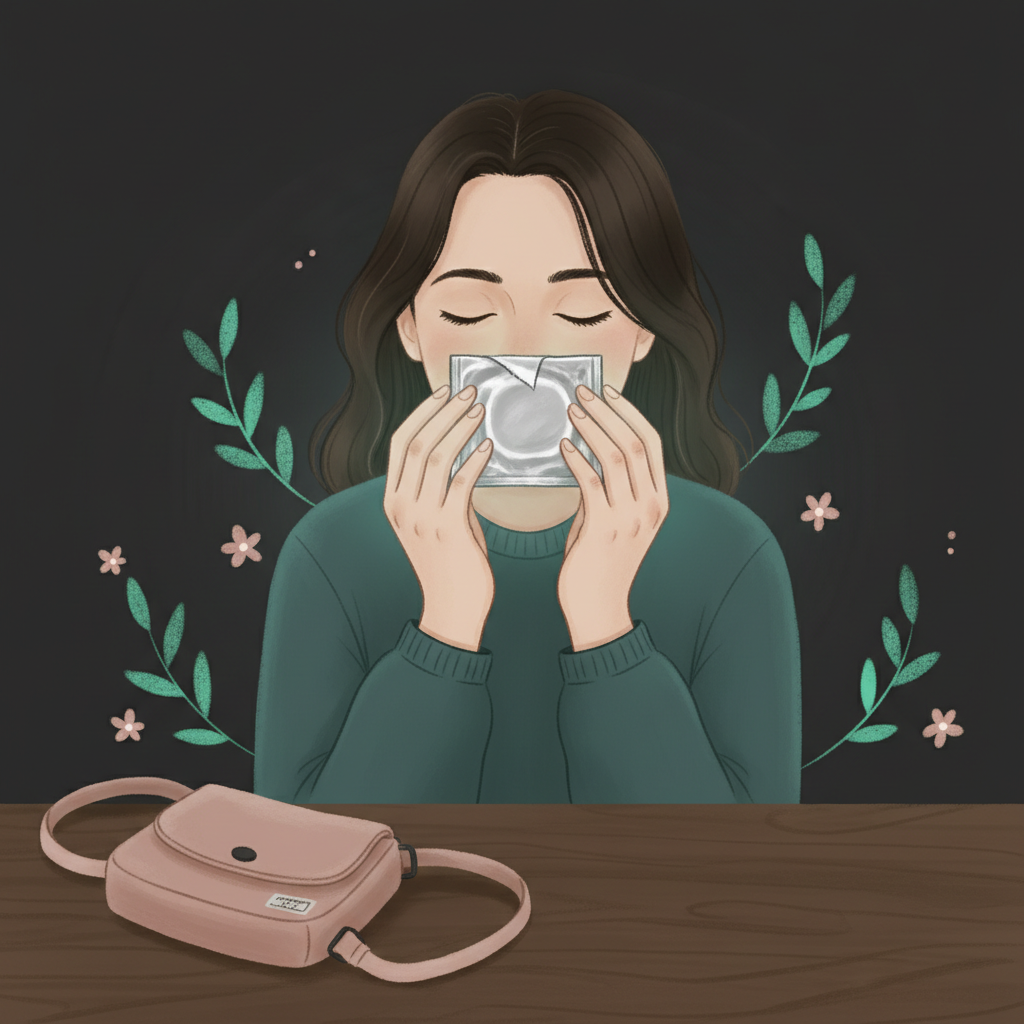 Sniffing an isopropyl alcohol pad to calm sudden nauseaOne person shared that gently sniffing an individually…
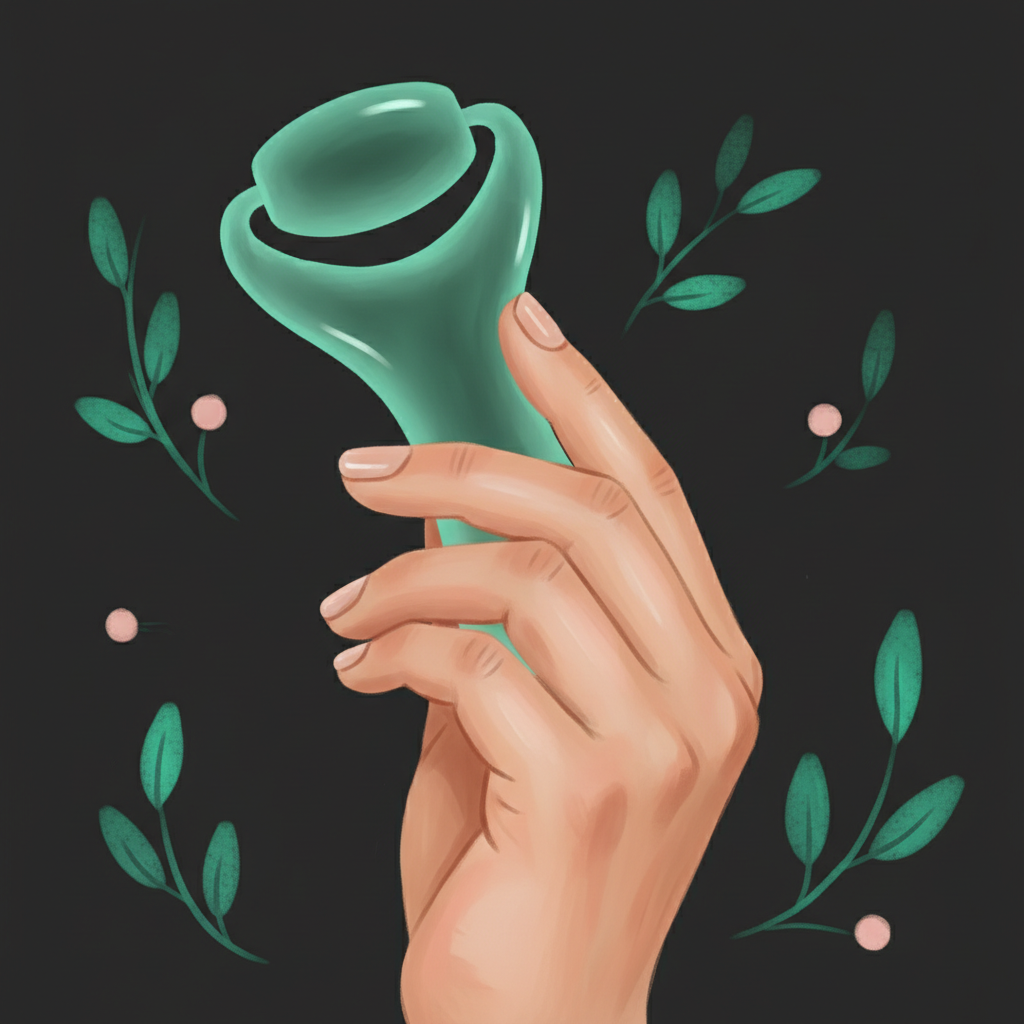 Using a cold facial roller along your temples@brainfogdaily_lr found comfort during an attack…
Experiences
Is this your post or tip? Update info, or request removal →
This is educational material and practical tracking tools. It is not medical advice. Always consult a qualified doctor.